Concrete is strong, but it’s not invincible. Without protection, it can absorb moisture, crack from freeze-thaw cycles, degrade from salt and chemicals, and discolor with time. That’s where concrete sealers come in—a vital but often overlooked step in preserving, strengthening, and beautifying concrete surfaces.
This comprehensive 2025 guide will walk you through everything you need to know about concrete sealers: types, climate considerations, surface prep, application methods, durability, and product comparisons.
1. Types of Concrete Sealers
Concrete sealers generally fall into two categories: penetrating and film-forming.
a) Penetrating Sealers
These sealers absorb into the concrete and chemically react to create a barrier beneath the surface. They’re known for durability and natural finishes.
- Silane/Siloxane: Excellent for exterior use, especially driveways and sidewalks.
- Silicate: Densifies and strengthens concrete, often used for polishing or as a base layer.
- Siliconate: Water-repellent and cost-effective for residential driveways.
Best for: Freeze-thaw environments, salt exposure, and water resistance.
b) Film-Forming Sealers
These create a visible protective layer on top of the concrete.
- Acrylic: Available in water or solvent-based versions; enhances color and adds sheen.
- Epoxy: Very durable and chemical-resistant, used for garages and industrial settings.
- Polyurethane: High-gloss, abrasion-resistant option for decorative or high-traffic surfaces.
Best for: Decorative concrete, interiors, stamped or stained concrete.
2. Climate & Environmental Considerations
Your local climate plays a significant role in determining which type of sealer to use.
- Cold climates (freeze-thaw): Penetrating sealers with silane/siloxane blends help protect against cracking from expansion.
- Hot/humid regions: UV-resistant acrylics or breathable penetrating sealers are preferred to prevent blistering.
- Coastal/snowbelt areas: Products with salt and chloride resistance are crucial to prevent spalling and surface degradation.
3. Surface Preparation: The Key to Performance
Improper preparation is the #1 reason sealers fail. Before sealing:
- Clean the surface thoroughly (remove oils, stains, dust, efflorescence).
- Use a degreaser or etching solution for smooth or previously sealed concrete.
- Ensure the concrete is fully cured (at least 28 days old).
- Test moisture levels—especially for garage floors or basements.
4. Application Methods: Do It Right
Each product comes with specific instructions, but here are general application tips:
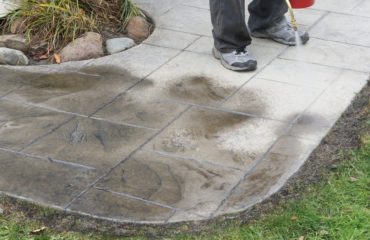
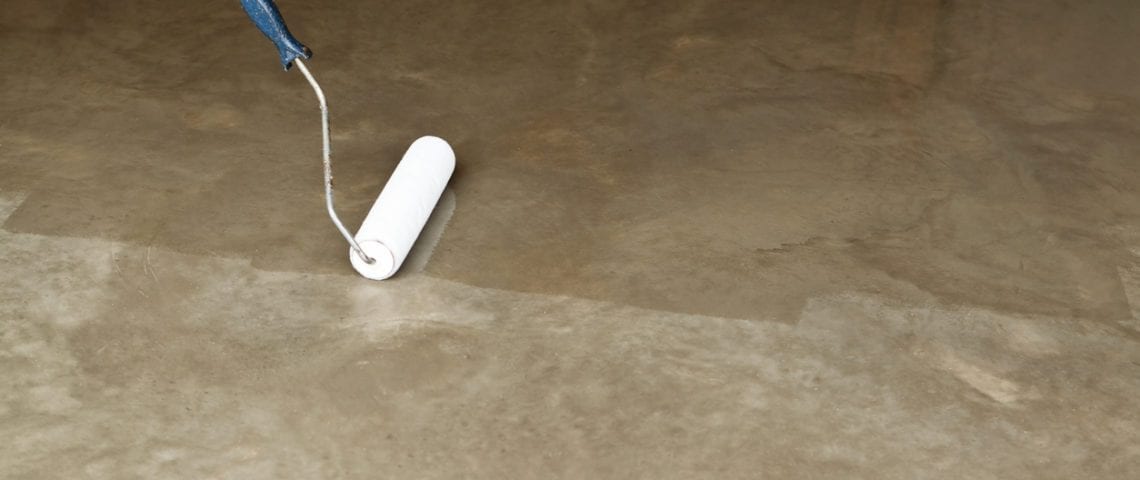
- Tools: Use a sprayer for penetrating sealers; a roller or brush for film-forming types.
- Conditions: Apply in dry weather, ideally between 50°F and 80°F.
- Coverage: Expect 150–250 sq. ft. per gallon depending on surface porosity.
- Curing: Allow adequate curing time (4–24 hours) before exposure to traffic or moisture.
Pro Tip: Always apply a thin, even coat. More isn’t better—thicker layers can lead to peeling.
5. Longevity & Reapplication
- Siloxane Penetrating Sealers: 7–10 years
- Silicate Densifiers: Permanent but may need a topcoat
- Acrylics: 1–3 years, depending on traffic and UV exposure
- Epoxies & Polyurethanes: 3–5 years with proper prep
Check the manufacturer’s data sheet for exact service life and reapplication recommendations.
6. Top Concrete Sealer Comparisons (2025)
| Product | Type | Best Use | Longevity | Features |
|---|---|---|---|---|
| Siloxa-Tek 8500 | Penetrating | Driveways, sidewalks | 7–10 yrs | Salt + water repellent, breathable |
| Lithi-Tek 9500 | Densifier + Sealer | Basements, slabs | Permanent | Strengthens + waterproofs |
| Cryli-Tek 5505 | Acrylic (solvent) | Decorative, stamped | 2–3 yrs | Gloss finish, UV stable |
| Ghostshield 8510 | High-Actives Penetrating | Garage, oil-prone areas | 10 yrs | Oil + salt repellent |
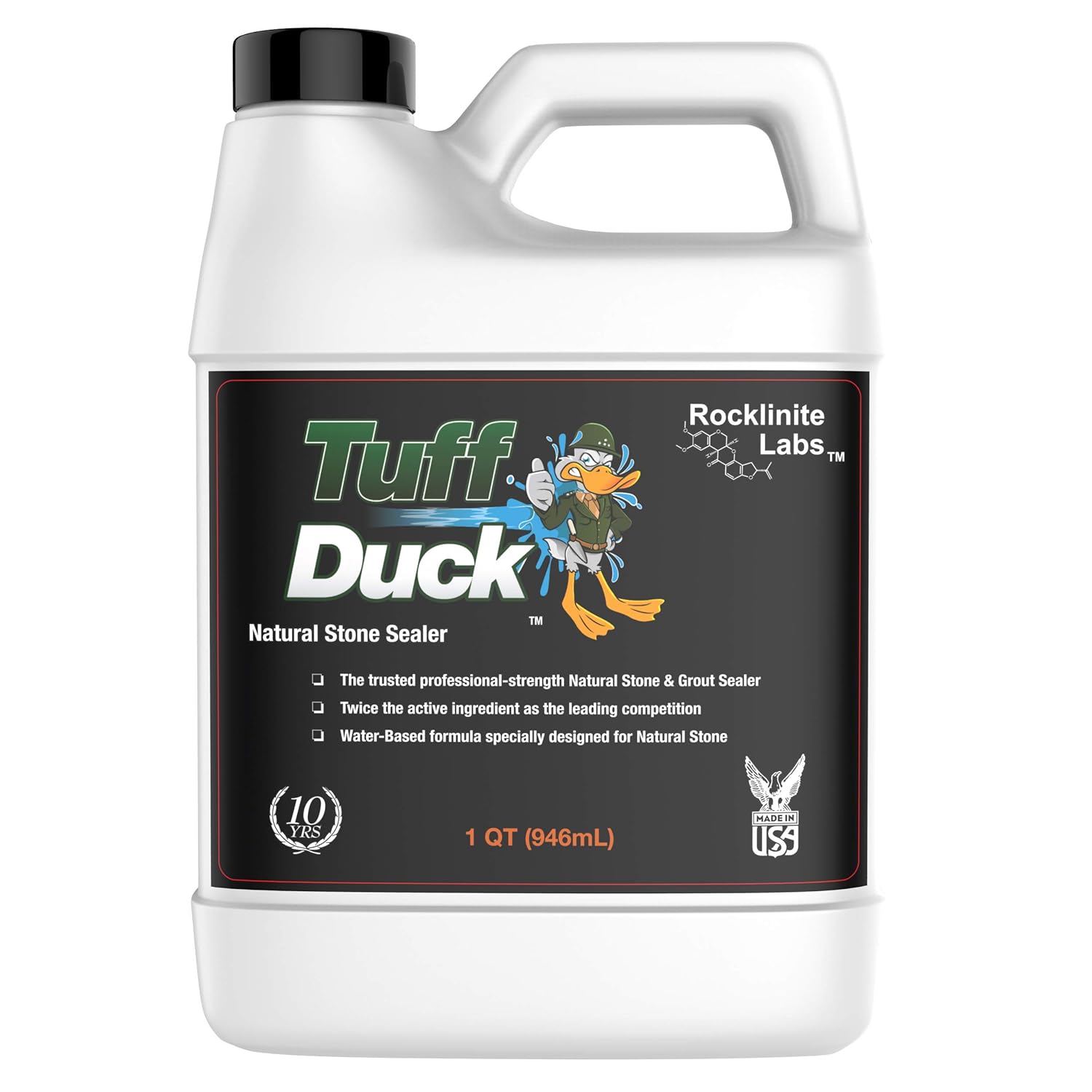
| Tuff Duck Concrete Sealer | Penetrating (Silane/Siloxane) | Outdoor patios, stone | 5–7 yrs | Non-yellowing, water-based |
| Eco Advance Concrete Sealer | Water-based Silane/Siloxane | Walkways, pool decks | 5 yrs | Eco-friendly, breathable |
7. Choosing the Right Sealer for Your Project
| Application | Recommended Type |
| Driveways | Silane/Siloxane Penetrating |
| Basements | Silicate + Waterproofing |
| Garages | Epoxy or High-Active Penetrating |
| Decorative Concrete | Acrylic or Polyurethane |
| Industrial Floors | Epoxy + Polyurethane Topcoat |
Final Thoughts
The right concrete sealer depends on your surface, environment, and performance needs. With the proper preparation, application, and product choice, you can extend the life of your concrete, enhance its appearance, and protect your investment.
Always follow manufacturer instructions and don’t skip the prep—it’s the difference between success and failure.