
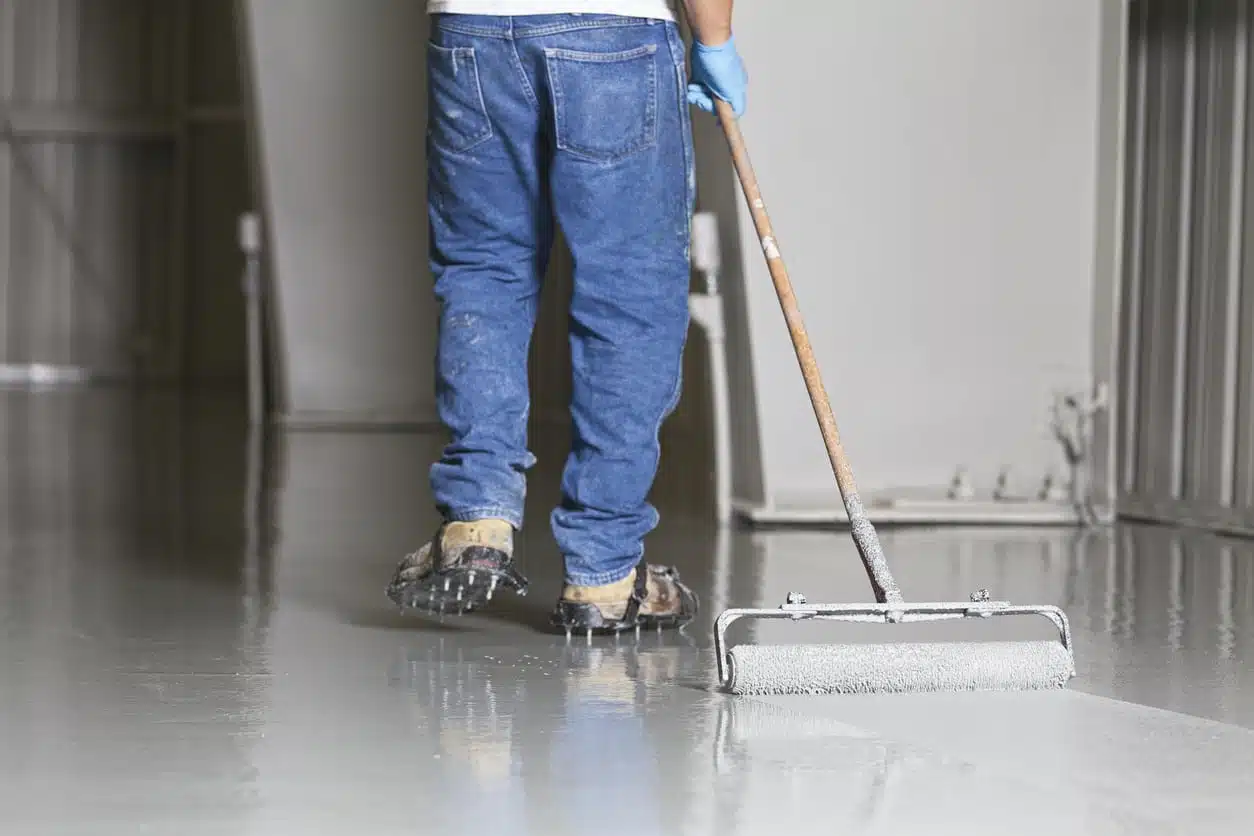
What is an epoxy floor?
An epoxy floor is a type of flooring system that is created by applying multiple layers of epoxy resin onto a prepared surface, such as a concrete floor. The epoxy resin is a two-part material that is mixed together and then applied in liquid form, allowing it to flow and self-level. Once applied, the epoxy cures and hardens into a durable, seamless, and high-gloss surface that is resistant to chemicals, abrasion, and moisture.
Epoxy floors are commonly used in commercial and industrial settings, but are also becoming increasingly popular in residential applications due to their durability, ease of maintenance, and aesthetic appeal. Epoxy floors can be customized with a wide range of colors, patterns, and textures, and can even be used to create 3D designs and logos.
When selecting the best epoxy floor coatings, consider the benefits of durability and versatility that these coatings provide. The best epoxy floor coatings can transform your space while offering protection and style.
The best epoxy floor coatings will depend on your specific needs, preferences, and the requirements of your project. Here are some factors to consider when choosing the best epoxy floor coatings to ensure you get the most effective and long-lasting results with the best epoxy floor coatings:
- Type of epoxy: Epoxy coatings come in two-part systems, which consist of a resin and a hardener. There are several types of epoxy resins, including solvent-based, water-based, and 100% solid epoxy. Each type has its own benefits and drawbacks, so it’s important to choose the type that is best suited for your project.
- Thickness and durability: Epoxy coatings can range in thickness from a few mils to over 30 mils. Thicker coatings will typically be more durable and long-lasting, but they may also be more expensive. Consider the traffic, wear and tear, and exposure to chemicals or other elements that your floor will experience when selecting a thickness.
- Appearance: Epoxy coatings come in a variety of colors and finishes, including gloss, satin, and matte. Some coatings also include decorative flakes or metallic pigments for a more unique look.
- Chemical resistance: If your floor will be exposed to chemicals or other harsh substances, it’s important to choose an epoxy coating that is resistant to those substances.
- Installation: Some epoxy coatings may require specialized equipment or professional installation, while others may be suitable for DIY projects.
- Cost: Epoxy floor coatings vary in price depending on the type, thickness, and quality. It’s important to balance cost with the other factors when choosing an epoxy coating.
Best 100% Solids epoxy floor coating
A 100% solids epoxy floor coating is a type of epoxy coating that has no volatile organic compounds (VOCs) and is considered to be one of the most durable and long-lasting types of epoxy coatings. Here are some of the best 100% solids epoxy floor coatings available on the market:
- Epoxy Max 100: This is a 100% solids epoxy coating that is suitable for both residential and commercial use. Easy to apply and provides a durable, high-gloss finish. It is self-leveling and has a high resistance to impact, chemicals, and abrasion.
- MPC-100: A two component 100% solids, self-leveling and high build epoxy floor system.
- Simiron 1100SL: A 100% solids, two-component, high-build epoxy floor coating that’s designed for applications where heavy-duty protection is required.
Why should you epoxy a floor
- Durability: Epoxy flooring is highly durable and can withstand heavy traffic, impact from dropped tools or equipment, and other wear and tear. It forms a tough, resilient surface that helps protect your garage floor from damage.
- Chemical Resistance: Garage floors are often exposed to various chemicals, such as automotive fluids and oil spills. Epoxy is highly resistant to these substances, making it easier to clean and preventing damage to the underlying concrete.
- Easy Maintenance: Epoxy floors are easy to clean and maintain. The smooth, non-porous surface resists stains, and regular cleaning typically involves sweeping and mopping. This is especially beneficial in a garage environment where dirt, dust, and debris can accumulate.
- Enhanced Aesthetic Appeal: Epoxy coatings come in a variety of colors and finishes, allowing you to customize the appearance of your garage floor. You can choose a solid color, add decorative flakes, or even create a metallic or glossy finish, enhancing the overall aesthetic of your garage.
- Light Reflectivity: Epoxy floors have a high-gloss finish that reflects light, improving visibility in your garage. This can be particularly beneficial if you use your garage as a workshop or if you want a well-lit space.
- Moisture Resistance: Epoxy is resistant to moisture, preventing water from seeping into the concrete and causing damage. This is important in a garage where exposure to moisture, such as from wet vehicles or melting snow, is common.
- Protection Against Cracks: Epoxy coatings can help seal small cracks and imperfections in the concrete, providing an added layer of protection against further damage. This can be beneficial in preventing the spread of cracks and preserving the structural integrity of the garage floor.
- Increased Property Value: A well-maintained and aesthetically pleasing garage can contribute to the overall value of your property. Epoxy flooring is considered an upgrade that can attract potential buyers if you ever decide to sell your home.
- Quick Installation: While proper surface preparation is essential, the actual application of epoxy coatings is relatively quick compared to some other flooring options. This means minimal disruption to your daily activities.
How much does it cost to install an epoxy floor?
The cost of installing an epoxy floor can vary depending on several factors such as the size of the area to be covered, the condition of the existing floor, the type of epoxy used, and the complexity of the installation process.
On average, the cost can range from $3 to $12 per square foot. For example, a 500 square foot garage could cost between $1,500 to $6,000.
Keep in mind that the cost can also increase if any repairs or preparation work needs to be done on the existing floor before installation. Additionally, if you want any custom designs or additional coatings, that may also increase the cost.
What tools do you need to apply an epoxy floor?
Here are some of the common tools and materials that are typically needed for applying an epoxy floor:
- Safety equipment: This includes gloves, safety glasses, and a respirator mask to protect against fumes and chemicals.
- Surface preparation tools: Depending on the condition of the existing floor, tools such as a concrete grinder, shot blaster, or floor scraper may be needed to prepare the surface for the epoxy.
- Cleaning supplies: The floor will need to be thoroughly cleaned and degreased before applying the epoxy. This may involve using a heavy-duty cleaner, a power washer, or a degreaser.
- Mixing tools: A power drill with a mixing paddle or a mixing bucket may be needed to mix the epoxy components.
- Application tools: A squeegee, roller, or trowel may be used to apply the mixed epoxy to the floor.
- Spike shoes: These special shoes with small spikes on the soles are worn to prevent footprints on the freshly applied epoxy.
- Topcoat: A topcoat material such as a urethane or polyaspartic coating may be needed for added durability and protection.
How to prepare a floor for an epoxy floor coating
Choosing the best epoxy floor coatings can greatly enhance the aesthetics and functionality of your floors. Whether in a garage or a commercial space, the best epoxy floor coatings are a smart investment.
Preparing a floor for an epoxy coating is a crucial step in ensuring a successful and long-lasting installation. Here are the general steps for preparing a floor for an epoxy coating:
- Clean the floor: The floor must be completely clean and free of debris, dirt, and dust. Start by sweeping or vacuuming the floor, and then wash it with a degreaser or a solution of water and ammonia. Rinse the floor with clean water and allow it to dry completely.
- Repair any damage: Inspect the floor for cracks, holes, or other damage that needs to be repaired. Fill any cracks or holes with a concrete patching compound and smooth it out with a trowel. Allow the patching compound to dry completely before moving on to the next step.
- Profile the surface: The surface of the floor needs to be roughed up or profiled to ensure proper adhesion of the epoxy. This can be done using a diamond grinder or shot blaster. The degree of surface roughness or profile required will depend on the specific epoxy being used, so it’s important to consult with the manufacturer or a professional flooring contractor.
- Remove any remaining dust or debris: After profiling the surface, it’s important to remove any remaining dust or debris using a vacuum or broom.
- Apply a primer: A primer should be applied to the prepared surface to enhance adhesion and prevent air bubbles from forming. The primer should be allowed to dry completely before applying the epoxy.
How to apply an epoxy floor:
Applying an epoxy floor requires careful preparation and attention to detail. Here are the general steps involved in applying an epoxy floor:
- Prepare the surface: The surface to be coated must be thoroughly cleaned and prepped. This involves removing any existing coatings, dirt, grease, and other contaminants using a combination of grinding, shot blasting, or acid etching.
- Repair cracks and imperfections: Any cracks or imperfections in the surface should be repaired using a suitable filler, and the surface should be sanded or ground smooth.
- Apply primer: A primer is applied to the prepared surface to ensure good adhesion of the epoxy. The primer is allowed to dry completely before proceeding.
- Mix the epoxy: The two components of the epoxy are mixed together according to the manufacturer’s instructions.
- Apply the epoxy: The mixed epoxy is poured onto the surface and spread evenly using a notched squeegee or roller. A second coat may be applied after the first coat has dried, typically within 24 hours.
- Allow to cure: The epoxy must be allowed to cure for the recommended time, usually between 24 and 72 hours, before the surface can be used.
For optimal results, always select the best epoxy floor coatings tailored to your environment to ensure longevity and durability. The best epoxy floor coatings are designed for various applications.
How do you maintain an epoxy floor?
Maintaining an epoxy floor is relatively easy and requires minimal effort. Here are some tips for maintaining an epoxy floor:
Additionally, using the best epoxy floor coatings can prevent costly repairs down the line, making them a budget-friendly option for many homeowners and businesses alike.
- Sweep and mop regularly: Sweep the floor regularly to remove loose dirt and debris. Mop the floor with a mild detergent and warm water to remove any stains or spills. Avoid using harsh chemicals or abrasive cleaners that can damage the epoxy coating.
- Use a soft-bristled brush: Use a soft-bristled brush to scrub the floor gently and remove any stubborn stains or dirt. Avoid using steel wool or other abrasive materials that can scratch the epoxy coating.
- Clean up spills immediately: Clean up any spills immediately to prevent staining or discoloration of the epoxy coating. Use a soft cloth or paper towel to blot up the spill, then clean the area with warm water and a mild detergent.
- Avoid heavy furniture or equipment: Avoid dragging heavy furniture or equipment across the floor, as this can scratch or damage the epoxy coating.
- Reapply the topcoat: Over time, the topcoat of the epoxy floor may wear down or become dull. Reapply the topcoat every few years to restore the shine and protect the epoxy coating.
How Long do Epoxy Floors Last?
The best epoxy floor coatings not only improve the look of your space but also provide necessary protection against wear and tear. Investing in the best epoxy floor coatings will pay off in the long run.
Epoxy floors can last a long time if they are installed and maintained properly. The lifespan of an epoxy floor will depend on several factors, including the quality of the materials used, the level of traffic on the floor, and the level of care and maintenance it receives.
Furthermore, the best epoxy floor coatings offer a variety of color choices and finishes, making it easy to find the perfect match for your style and needs.
With proper installation and maintenance, a high-quality epoxy floor can last anywhere from 10 to 20 years or more. However, in some cases, the lifespan of an epoxy floor can be shorter if it is exposed to heavy wear and tear or if it is not maintained properly.
To extend the lifespan of an epoxy floor, it is important to follow proper maintenance procedures, including regular cleaning, avoiding harsh chemicals, and repairing any cracks or chips in the surface as soon as possible. It is also important to follow the manufacturer’s recommendations for the type of flooring and the level of traffic the floor will receive.
In conclusion, always opt for the best epoxy floor coatings to maximize both functionality and aesthetics in your space.
#1 Concrete Waterproofer: The Ultimate Solution for Your Concrete Surfaces
The number one arch enemy of concrete is water. Not only can water create harmful health risks with the growth of mold and mildew, but it can also create numerous problems for homeowners’ foundations. It serves as a carrier for salts and chlorides that can damage reinforcing steel in concrete, leading to spalling and cracking.
For instance, a basement exposed to constant moisture may develop mold, posing health risks to the occupants. Mold can lead to respiratory issues like asthma and other allergic reactions. Additionally, water infiltration can cause uneven settling of the foundation, resulting in costly repairs. A homeowner may notice cracks in their drywall or brickwork due to foundation issues.
To prevent water from damaging concrete basements, driveways, and other surfaces, using the #1 Concrete Waterproofer, a waterproofing concrete sealer, should be a priority. A multitude of sealers available in the market are elastomeric, latex-based, or acrylic-based. While these can help reduce water in the short term, they merely coat the surface rather than penetrating deeply.
Consequently, it is more akin to putting a bandaid on the problem instead of sealing from within. A visual example of this failure can often be seen in peeling paint or bubbling surfaces on driveways that have been treated with inferior sealers. When considering options, it’s crucial to understand that true waterproofing requires a more robust solution.
By using a penetrating, impregnating sealer that densifies and hardens concrete, you can ensure a fully waterproofed substrate. One of our favorite concrete waterproofers is Lithi-Tek 9500 concrete sealer. This sealer is an invisible, penetrating concrete sealer that will not only densify concrete but also waterproof it and help to prevent deleterious organic growth such as moss and algae, which thrive in damp conditions.
For example, in shaded areas of your yard, applying this sealer can significantly reduce the growth of moss that can otherwise create slippery surfaces. The chemically reactive and active ingredients seal the pores within the substrate, adequately blocking surface moisture while still maintaining the concrete’s ability to breathe.
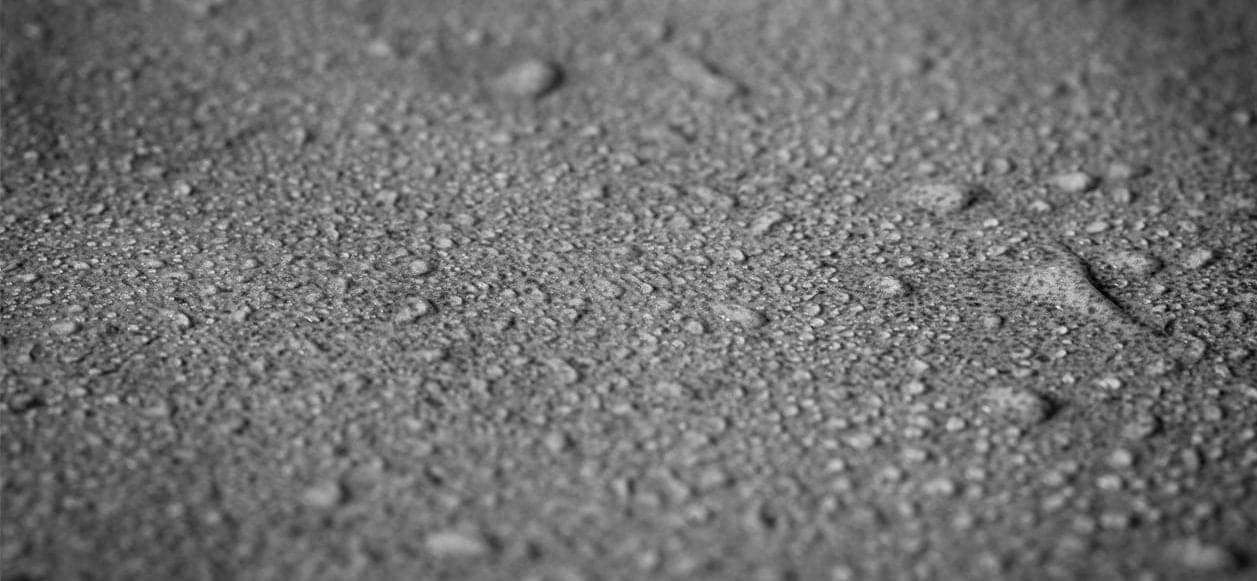
After application, if you apply this sealer to your patio, you will notice that rainwater beads up and rolls off rather than soaking in. Importantly, it will not significantly modify the substrate’s appearance or traction, which is critical for safety, especially in high-traffic areas.
The sealer will only wear away if the concrete surface itself wears away over time. New or existing concrete can be treated, and performance can be improved in as little as two applications. The concentrated nature of the sealer allows for 1000 sq. ft. of coverage per coat from 1 gallon; two coats are recommended, so each gallon will yield 500 square feet worth of coverage. It is now readily available directly at or at Amazon.com, HomeDepot.com, and Lowes.com.
This concrete sealer only costs about $0.10 per square foot per application; considering the cost to replace concrete is about $7.00 per square foot, sealing concrete with the #1 Concrete Waterproofer, the 9500, is a worthwhile investment that can save homeowners from extensive repair costs down the line. Many homeowners have reported significant savings and the peace of mind that comes with knowing their properties are protected.
Concrete waterproofing is not just a precaution; it is an essential part of maintaining the integrity and longevity of your concrete surfaces. For example, in regions with heavy rainfall or freeze-thaw cycles, untreated concrete can suffer accelerated deterioration, leading to costly repairs and safety hazards.
Homeowners should also consider seasonal factors when applying sealers. Ideally, sealing should be done in dry weather to ensure proper curing and adherence, as moisture during application can lead to subpar results. Additionally, frequent inspections of concrete surfaces can help identify potential issues before they escalate.
Look for signs like efflorescence, cracks, or discoloration, which can indicate underlying moisture problems. When applying a new sealer, it’s vital to follow the manufacturer’s instructions regarding application methods, drying times, and environmental conditions. This diligence ensures that the sealer achieves its maximum effectiveness and provides long-lasting protection.
Establishing a routine maintenance schedule for your concrete surfaces can further enhance their durability and lifespan. Homeowners should also consider investing in a quality pressure washer to clean surfaces before sealing, ensuring optimal adherence of the waterproofing product.
When it comes to selecting the right waterproofing solution, it’s essential to consider various factors such as your specific needs, the type of concrete, and local climate conditions. For instance, in coastal areas where saltwater intrusion is a concern, selecting a sealer that specifically addresses saltwater damage is critical. Additionally, understanding the application process can help ensure that you achieve the best results. For example, applying multiple thin coats rather than a single thick coat can provide better coverage and effectiveness. Finally, always reach out to professionals for guidance if you’re unsure about which product to choose or how to apply it correctly. Their expertise can be invaluable, especially for large projects or specialized applications.

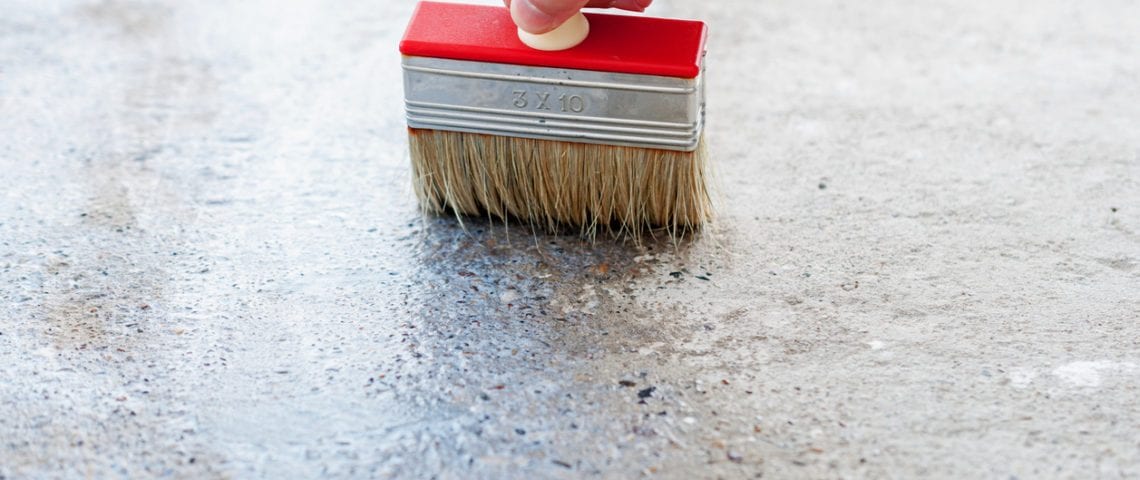
After over 30 hours of researching more than 60 concrete sealers and testing and evaluating seven of them, our results for the Best Concrete Sealers for 2025 are found below. We found that the Siloxa-Tek 8500 concrete sealer is the best concrete sealer for most people. Its made of high quality silanes and siloxanes with a 40 percent actives content, so it’s active ingredients are stronger, less watered down and approved by the Department of Transportation. The 8500 concrete sealer leaves a natural finish without any artificial luster or sheen, leaving a natural, protected surface without ever fading. If you’re looking for the best concrete sealer, this is it.
Our Pick – Best Concrete Sealers for 2025:
Though we like Siloxa-Tek 8500, the Okon S-40 is a less expensive alternative. It lacks the concentrated availability but is cost effective, providing durable performance at an affordable cost.
The best concrete sealer ensures your surfaces are protected for years. Choosing the right product not only enhances the durability of the concrete but also its appearance.
Why you should trust us
We have worked in the construction industry for more than 20 years. We’ve reviewed countless sealer products with our conclusions posted throughout this site. For this guide we also talked to a number of experts about what they look for when sealing any concrete application.
The American Concrete Institute provided us with resources about terminology and the industry, and we gained insight from magazines such as Concrete Decor, Concrete Construction and For Construction Pros as to which products were popular among contractors.
To determine the longevity of sealers we relied heavily on customer reviews from Home Depot, Lowes and Amazon.
The difference between penetrating sealers, decorative coating and durable coatings
Why Choosing the Best Concrete Sealer Matters
If you’re purchasing a concrete sealer for the first time or you’re due to reapply, it’s helpful to know the meaning behind some basic terms, including penetrating concrete sealer, decorative concrete sealer, and durable concrete sealer to ensure you get the best concrete sealer for your needs.
Investing in the best concrete sealer can greatly extend the life of your surfaces, providing an excellent return on investment.
Penetrating concrete sealers: Penetrating concrete sealers penetrate into the concrete to form a chemical barrier that protects against water, moisture and deicing salts. They usually leave a natural finish without changing the surface appearance and most products are breathable allowing for vapors to escape. They are more frequently used in exterior applications to protect against the harsh elements. A penetrating concrete sealer is your best choice if you are looking to protect your application from deicing salts, freeze-thaw cycles and water without changing the surface appearance or feel of the concrete. A penetrating concrete sealer has a long lifespan and typically requires reapplication after five plus years of service life.
Decorative coatings: Decorative concrete coatings are typically of an acrylic chemistry available in both solvent and water based formulations. Available in a range of sheen levels they typically leave a satin or gloss finish changing the look, feel and texture of the concrete. They are great for enhancing colors and giving concrete the much desired wet look. Acrylic concrete sealers generally wear faster than penetrating sealers and usually require reapplication much sooner, typically every year if exposed to deicing salts. Decorative acrylic concrete coatings are great at first leaving the concrete looking nice but tend to wear quickly and cost more in the long run with constant reapplication.
Durable coatings: Durable concrete coatings build a protective film on the concrete surface, producing a hard, long-lasting abrasion and chemical resistant finish. Available in a variety of colors most durable coatings leave a gloss finish. Durable concrete coatings are harder and last longer than decorative coatings. Because durable concrete coatings may yellow with exposure to UV radiation they are limited to interior use.
How we picked and tested
Manufacturers offer penetrating concrete sealers, decorative concrete coatings and durable concrete coatings but we’ve focused our selection on penetrating sealers due to their longevity, versatility, appearance and practicality.
Our testers were drawn to the natural finish of penetrating concrete sealers. We aren’t alone in that assessment, as many of our experts agree. A Concrete Decor article titled, “Use of Penetrating Sealers is on the Rise” published in January of 2017 states, “The decorative industry grew up on the “one size fits all” high-gloss sealer which was the go-to coating for decades. While high gloss is still widely used, low-gloss and natural finishes in the decorative concrete industry have been gaining momentum as homeowners, architects and designers seek more ecofriendly, green and natural-looking sealing options.”
Aside from its appearance, the best concrete sealer, such as penetrating concrete sealers, offers greater durability and is less prone to water absorption and deicing salt damage than decorative coatings.
When selecting the best concrete sealer, consider factors such as climate, expected wear, and the type of surface being treated. A top choice like the Siloxa-Tek 8500 is often recommended due to its overall effectiveness.
Ultimately you want a concrete sealer that provides water repellency to keep out any salts, mold/mildew, efflorescence and dirt, and will have a long life span. We found that in penetrating concrete sealers with a silane/siloxane chemistry.
In our research, we found that more inexpensive penetrating concrete sealers suffered in quality due to low solids content and most commercial products were exorbitantly priced. We prioritized finding a high quality concrete sealer that was both durable and had a high solids content at a reasonable price.
According to our experts, the best penetrating concrete sealers are resistant to water, chloride absorption and staining but clear enough to not change the look or feel of the concrete. The Concrete Decor article mentioned above states, “While relatively new to the decorative industry, penetrating sealers have been used successfully in other markets for decades. Originally developed for the stone, masonry and concrete flatwork industry, penetrating sealers primarily resist water and stains, while not changing the substrate’s appearance. Their primary functions have been salt and acid resistance, efflorescence control and water resistance.”
Concrete Construction noted that, “When applied properly, penetrating sealers can serve as chloride screens and dampproofing to improve durability against destructive corrosion of embedded reinforcement and damage from freezing and thawing.”
Decorative concrete sealers can be beautiful to look at but they’re also more likely to fade over time. For this reason we limited our search to products with a natural finish that do not need to be reapplied as frequently.
Choosing the best concrete sealer involves understanding the unique demands of your project and selecting the product that aligns with those needs.
Overall we preferred concrete sealers with proven longevity that were highly reviewed with excellent water beading characteristics.
Thus, the best concrete sealer should provide excellent water repellency, which is essential for maintaining the integrity of your concrete.
We searched for concrete sealers that are available online which allows the consumer freedom to order and have them shipped to a home or business versus having to shop around and find a distributor that carries the product in stock. Ideally we wanted concrete sealers that were not only conveniently available but offered excellent performance. At the very minimum we felt each concrete sealer should be composed of a 20% silane/siloxane chemistry. We were able to rule out any sealers that were too watered down or did not have enough active ingredients. Concrete sealers that offered additional oil and stain repellency were viewed as a nice bonus, but were not a required factor in our selection.
A note on penetrating concrete sealers. Though plenty of penetrating concrete sealers are available our research showed that homeowners often regret purchasing a penetrating concrete sealer that did not offer any sort of water repellency, such as a penetrating silicate densifier. These concrete sealers simply harden the concrete but offer no water and stain repellency. They are inexpensive, but likewise they don’t offer the full benefits of a silane/siloxane penetrating concrete sealer. Because of this we prioritized finding products that were penetrating and hydrophobic impregnating concrete sealers.
After considering over 60 concrete sealing products, we evaluated and tested seven. We applied and examined each product to check for a clear, natural finish. We tested for abrasions, salt exposure and water absorption and we also compared the application techniques for ease of use. Finally we asked testers to check for mold, mildew growth and efflorescence deposits.
Our pick: Our testers like the ease of use and lack of maintenance of the Siloxa-Tek 8500 of all the concrete sealers we tried. The product is easy enough to use so a professional is not needed to apply it. The Siloxa-Tek 8500 concrete sealer is also available as a concentrate which was lacking from the other sealers we tested. The type of silane, one of the chemical components, that is used in the product also gives the Siloxa-Tek 8500 concrete sealer a longer performance life, making it more stable and less volatile.
The concrete sealer not only uses quality silanes (isoctyltriethoxysilane) but it is a well formulated blend of silane and siloxane, making it one of the best concrete sealers available. Water was not absorbed by the concrete whatsoever during the water absorption test; in fact we were able to move the beaded water across the concrete and even then it was not absorbed.
Also the concrete sealer is available in a ready to use or concentrate version so you have the freedom to choose if you want to pay less to do a little extra work or pay a little more for the ease of convenience. The concentrate allows you to pay less in shipping since a one gallon of concentrate will make a five gallon pail of sealer, which wasn’t a possibility with some of the other sealers we looked at. This sealer is sold through Home Depot Lowes and Amazon, and Ghostshield is a brand that’s been around for years.
Flaws but not deal breakers
The only drawback to the Siloxa-Tek 8500 concrete sealer is that it does not repel stains such as oil and grease. We detected these minor imperfections when the Siloxa-Tek 8500 concrete sesaler was applied to a garage floor. Some of our testers found that if you prefer stain protection the 8500’s counterpart, the Siloxa-Tek 8505 (water based), or the Siloxa-Tek 8510 (solvent based) is resistant to staining. Also the Siloxa-Tek 8500 concrete sealer is more expensive than some of the other concrete sealers we reviewed, but the quality and longevity were unsurpassed making it a worthwhile investment.
Where to Buy
Siloxa-Tek 8500 concrete sealer is available through Home Depot in the ready to use version or Lowes in the ready to use or concentrated version. It is also available in both concentrations direct through the manufacturer.
Ultimately, the best concrete sealer will depend on the specific conditions and requirements of your concrete surfaces.
Long-term test notes
After fifteen months of exposure to the elements, two freeze-thaw cycles and two winter seasons, we still highly recommend it. We did not have any visible cracking, spalling or deicing salt damage on driveway applications. Though we haven’t tested the product for a full five to ten years like the manufacturer claims it will work for, we haven’t experienced any major issues ourselves but we’ll continue to long-term test to see if any problems arise.
Runner-up
Though we like the Siloxa-Tek 8500 concrete sealer best, if you prefer something less expensive, the Rustoleum Okon S-40 concrete sealer is a great alternative. This concrete sealer is also a 40% silane/siloxane, penetrating sealer, making it a competitive option among the best concrete sealers.
The S-40 has proven longevity, with one reviewer on the Home Depot site saying “This product is 40% silane/siloxane and is the best deal on an active ingredient basis. Most of the other products out there are just watered down versions with only 5%-20% active ingredients. S-20 was the next best deal I could find. Be sure to look at the concentration of ingredients on the Spec sheet so that you don’t end up just buying water.” We’re confident this will remain an effective and viable option for sealing concrete for years to come.
Though our top choice is the Siloxa-Tek 8500 concrete sealer, the Rustoleum Okon S-40 concrete sealer offers a more economical alternative. This 40% silane/siloxane penetrating sealer stands as a competitive option among the finest concrete sealers. The S-40 has demonstrated impressive durability, as confirmed by a Home Depot reviewer who praised its high active ingredient content compared to other products on the market. It’s important to consider the ingredient concentration to ensure you’re getting an effective solution.


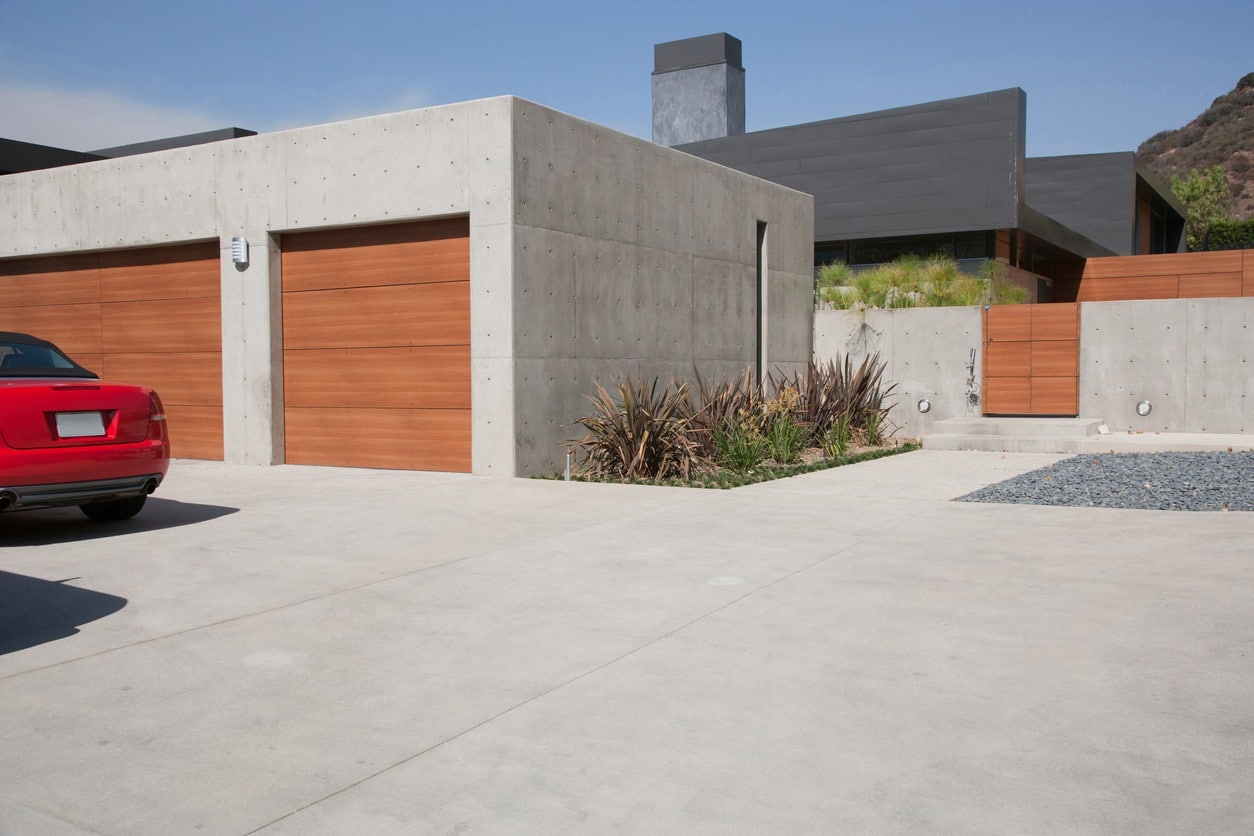
If you are looking to seal a concrete driveway use one of these concrete driveway sealers:
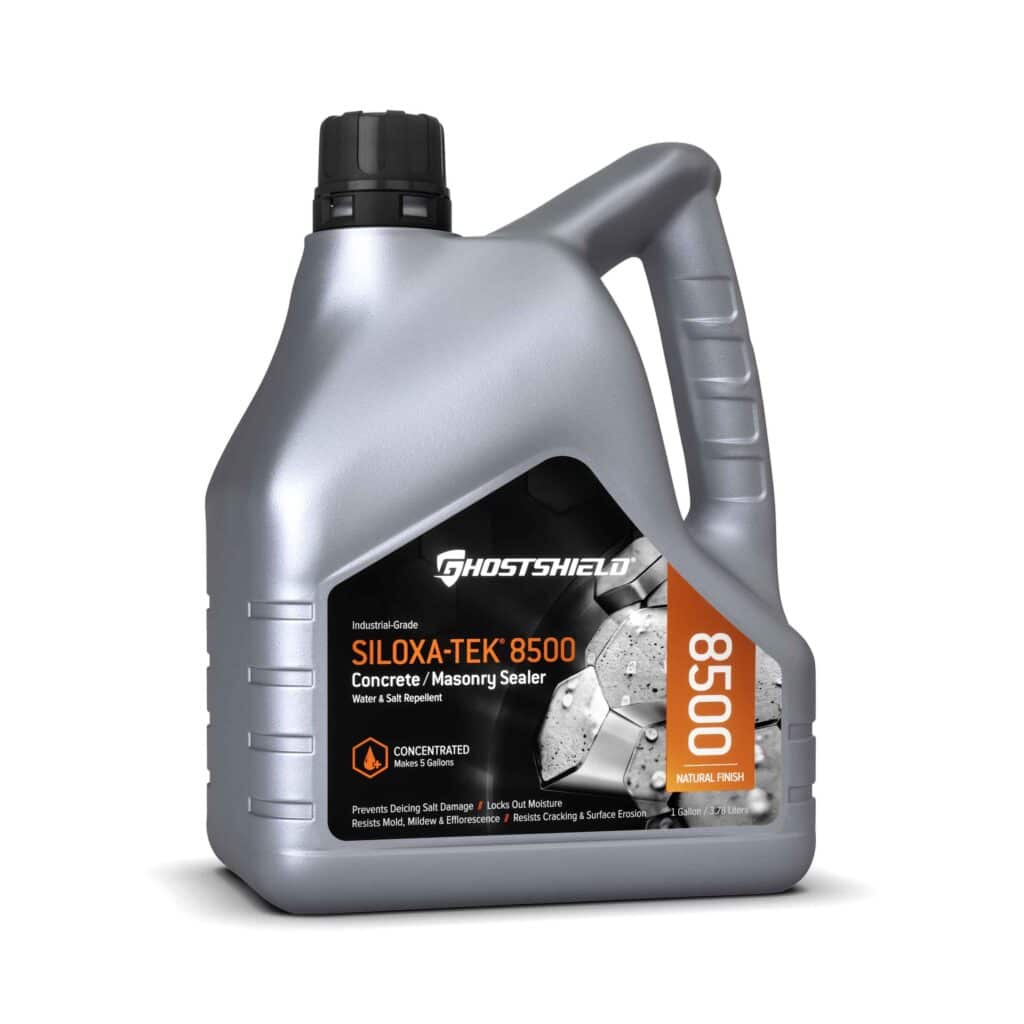
The best all-around: Siloxa-Tek 8500
Pros: 40% water-based silane/siloxane. Available in a single gallon ready to use or a one gallon concentrate that makes five gallons. Able to protect concrete from water, cracking, deicing salts and freeze-thaw cycles.
Buy Now: Amazon, Lowes, Home Depot, Concrete Sealer Supply
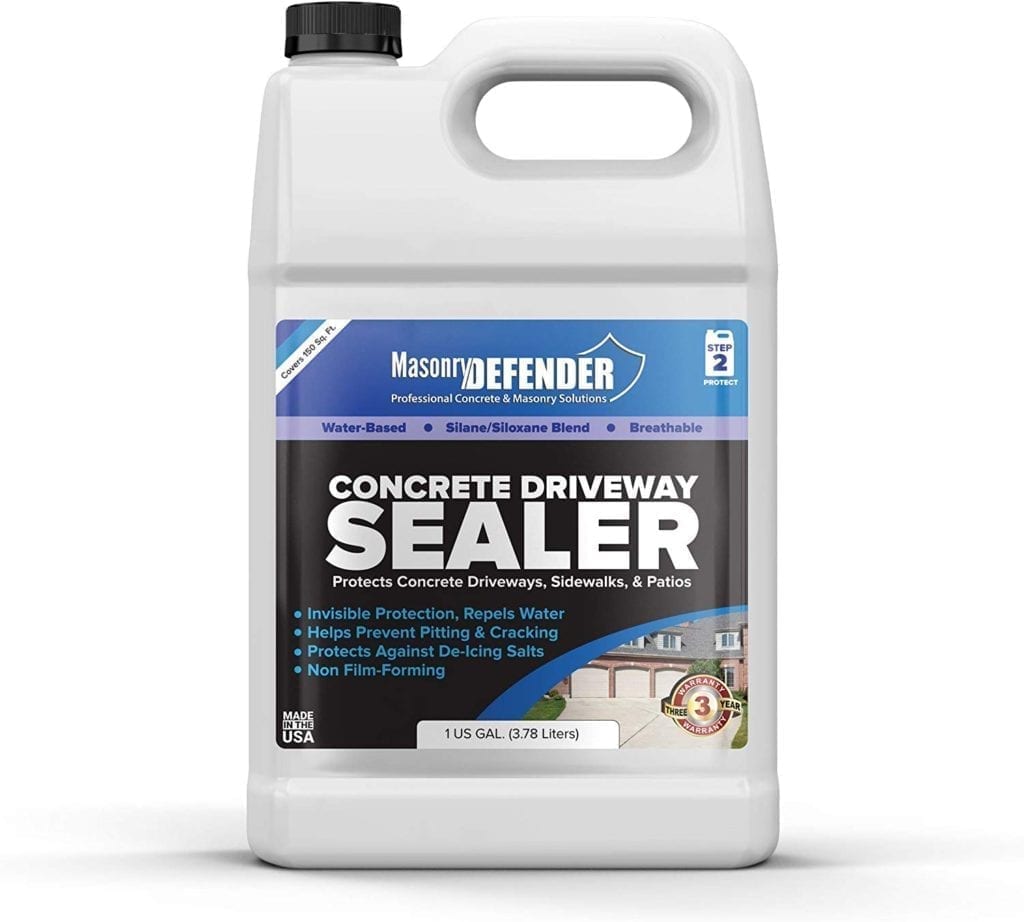
The most economical: Concrete Driveway Sealer
Pros: Very cost effective and will do a good job sealing for a season.
Buy Now: Amazon
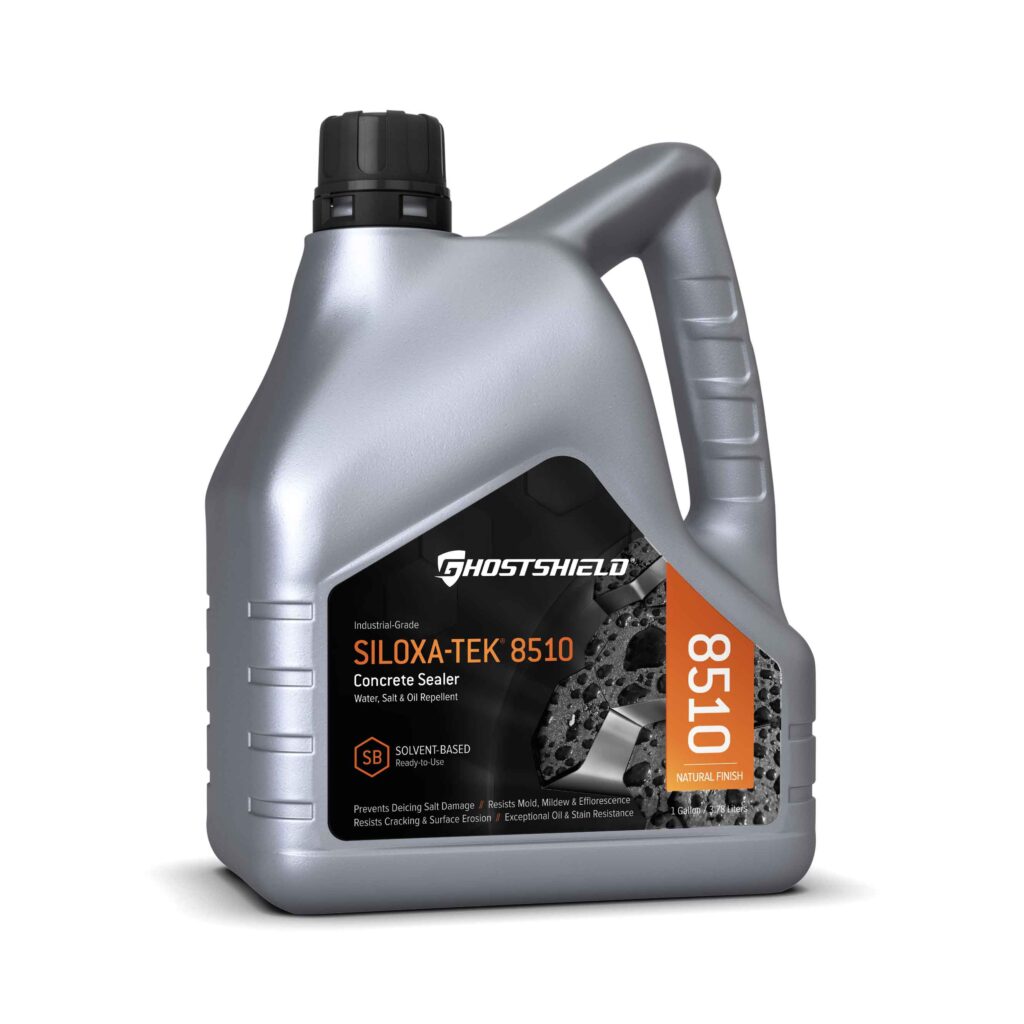
Best for stopping oil-based stains and automotive fluids: Siloxa-Tek 8510
Pros: Long lasting, 95% actives concrete driveway sealer that will repel staining from oils and greases.
Buy Now: Concrete Sealer Supply
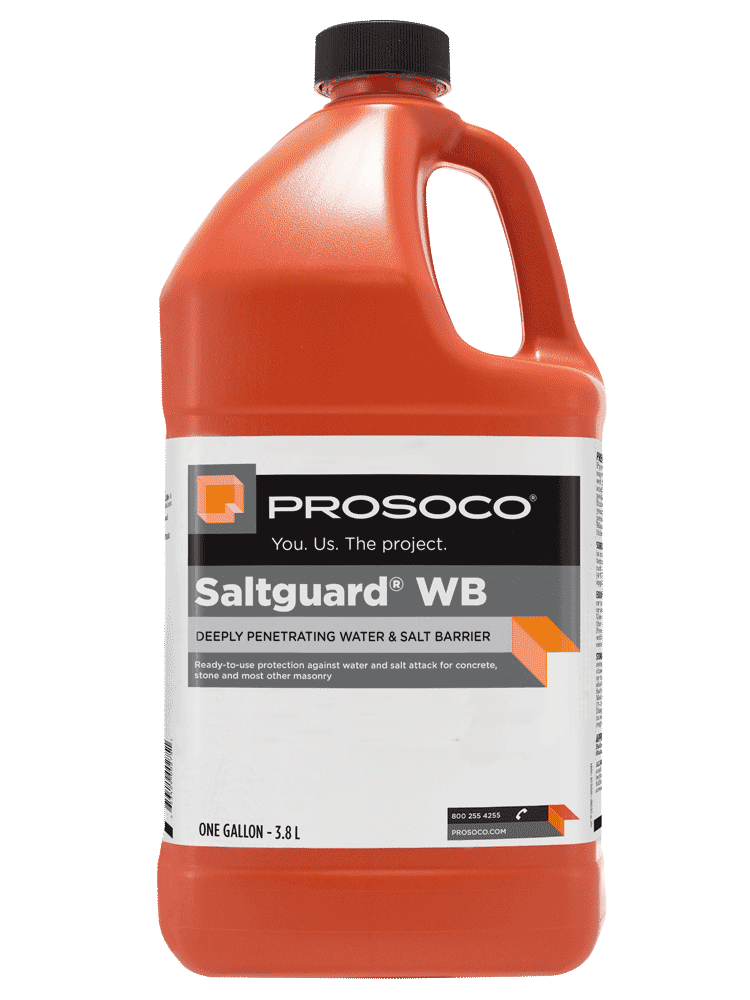
The contractor’s favorite: Saltguard WB
Pros: Although it only has a 4.2% actives content it is mostly used in the commercial marketplace. Prosoco is a trusted manufacturer and brand.
Buy Now: JonDon
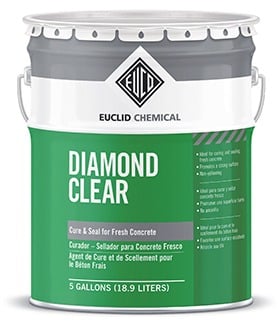
Best high gloss decorative concrete sealer: Diamond Clear
Pros: Can be used on freshly poured concrete and will give a concrete driveway a high gloss wet look finish.
Buy Now: EMI Supply
Types of Concrete Driveway Sealers
When it comes to choosing a type of concrete driveway sealer you can first break them down into three categories:
- Penetrating Concrete Driveway Sealers: These natural finish concrete sealers that do just as their name states; they penetrate into the concrete without leaving a surface film. Penetrating concrete driveway sealers are best used in northern climates and environments since they are able to protect concrete driveways from harsh freeze-thaw cycles and deicing salt damage including spalling, pitting and cracking. Penetrating concrete driveway sealers are usually silane and siloxane based products.
- Decorative Concrete Driveway Sealers: These high-gloss, wet look or satin finish concrete sealers also do just as their name states; they add a decorative finish to any concrete, brick, paver or masonry substrate. Although they look fantastic when first applied, their appearance will fade over time and regular resealing maintenance will need to be maintained. Decorative concrete driveway sealers are usually of a solvent-based or water-based acrylic chemistry.
- Concrete Driveway Coatings: Concrete driveway coatings are decorative and durable at the same time. They are able to withstand harsh winter climates while providing a decorative look. They are also able to withstand staining from leaves, oils, greases and hot tire pick up. The only downside is that they tend to be very expensive based on their multi-functioning ability. Durable concrete driveway coatings are usually urethane based products.
Why We Recommend Silane/Siloxane Based Penetrating Concrete Driveway Sealers
We recommend silane/siloxane based penetrating concrete driveway sealers for most concrete driveways since they provide the most bang for your buck. Silanes and siloxanes are the active ingredients in the formulations. What makes some silanes and siloxanes better than others is the actives concentration. For example a 5% silane/siloxane solution is going to be 5% active silane/siloxane ingredients and 95% water or solvent. Whereas a 40% silane/siloxane is going to be 40% active silane/siloxane ingredients and 60% water or solvent. Water or solvent, commonly referred to as the carrier is used to drive the active ingredients into the concrete. Once the water or solvent evaporates what remains is the active silane/siloxane ingredients. Since solvents can take the active ingredients deeper into the concrete than water, solvent-based concrete sealers typically perform better. However, depending on the type of solvent used they can also have more of an odor (higher VOC’s) and contain more harmful ingredients. The Department of Transportation mandates that all of the products used on their approved products list (and subsequently the roadways) be a minimum of 40% actives. Although this may seem like overkill when it comes to treating your residential driveway, driveways are actually most at risk. Even if you do not use deicing salts on your driveway, your vehicle will track them in from the roadways. The deicing salts will then melt off your vehicle and onto the driveway where they will wreak havoc on the concrete if left untreated. Because of the chemistry behind silanes and siloxanes they are the most effective treatment to protect concrete from spalling, pitting and cracking.
While we prefer silanes and siloxanes that are 40% actives concentration or above, we also understand that these products tend to be more expensive. When you are comparing concrete driveway sealers make sure you are comparing apples to apples. Some of the products on the list above have more than a 95% actives concentration; whereas some of the other products have below a 5% actives concentration. Actives concentrations also directly correlate with longevity. The higher the actives concentration the longer the product will last.
What is the difference between silanes and siloxanes?
- Silanes: Silanes are the smaller molecule of the two while also being alkali-resistant and highly volatile (a high concentration of material is required). In layman’s terms this allows them to migrate deep into the substrate but a higher actives concentration is most effective.
- Siloxanes: Similar to a silane molecule yet a little larger, siloxanes cannot penetrate as deep as silanes due to their complexity and shape. They are less volatile (so you can use a lower concentration) and they are also alkali resistant. Since they do not penetrate as deep as silanes they are typically used in blended formulations or on their on on more porous mineral substrates such as brick and stone.
How to Apply a Concrete Driveway Sealer
Application of concrete driveway sealers will depend on what type of concrete sealer you decide to use.
- Penetrating concrete driveway sealers: Before sealing you want to make sure the concrete is dry, clean and free of any previous sealers or curing compounds. Penetrating concrete driveway sealers are usually universally applied with a pump sprayer, paint roller or brush. Since they are natural finish, non-film forming products it is hard to make a mistake during application. You just want to make sure that you are not over-applying them. A lot of times two coats are recommended with the coats being applied wet-on-wet. What this means is that you will apply a second coat immediately after the first coat. This help to ensure that you are getting enough concrete sealer material onto the substrate.
- Decorative concrete driveway sealers: Before sealing you want to make sure the concrete is dry and clean. If a previous decorative concrete driveway sealer was used you want to make sure when it comes time to reseal the new product you are using is of the same chemistry. What this means is if a solvent-based acrylic was previously used you want to reseal using a solvent-based acrylic sealer. This will prevent you from having to strip off the previous sealer. If you are thinking of switching the type of concrete driveway sealer from a decorative concrete driveway sealer to a penetrating concrete sealer you want to make sure the previous concrete sealer has completely worn away or you will need to remove it. In order to apply a decorative concrete driveway sealer a high quality 3/8″ nap paint roller is usually best practice. One coat is usually recommended.
- Concrete driveway coatings: Like decorative concrete driveway sealers you want to make sure the concrete is dry, clean and free of previous sealers or coatings. And if a previous concrete driveway sealer was used you want to make sure the new coating you are using is compatible and of a similar chemistry. In order to apply a concrete driveway coating, a high quality, 3/8″ nap paint roller is also best practice. One or two coats are recommended depending on the manufacturer.
What to look for when buying a concrete driveway sealer
When it comes to choosing a concrete driveway sealer it is best to first take into account your location. Do you live in a warmer climate or a colder climate. If you live in a colder climate a penetrating concrete driveway sealer is going to be your best option. You can use a decorative concrete driveway sealer but just keep in mind it will need to be reapplied more often since road salts and chlorides will eat away at the concrete sealer after a season. If you live in a warmer climate you can then narrow down the appropriate sealer based on the type of finish (sheen) you prefer – flat, satin, high gloss or wet look. Once you have determined your location you can then take into account longevity. Are you willing to make a larger up front investment and not have to seal as frequently, or would you rather buy an inexpensive product and reseal every season. And then you can take the finish (sheen) into consideration. Do you really like how your stamped concrete driveway looks when it is wet? If you live in a warmer climate a decorative concrete driveway sealer will do the job; whereas if you live in a colder climate a durable concrete coating will be able to stand up to the salt exposure for more than a season. There are a lot of factors to consider and there is no one size fits all concrete driveway sealer.
In order to best assist you we have come up with the following general recommendations for concrete driveway sealers:
- Northern climate, natural finish: Penetrating silane/siloxane based concrete sealer
- Northern climate, decorative finish: Durable urethane based concrete coating
- Southern climate, natural finish: Penetrating silane/siloxane based concrete sealer
- Southern climate, decorative finish: Decorative acrylic based concrete driveway sealer
Where to buy a concrete driveway sealer
When it comes to purchasing a concrete driveway sealer big box retailers such as Lowes and Home Depot do not usually carry concrete sealer products on store shelves. They do however have a large assortment in their online catalog. These special order products can be shipped directly to your home or to your local store. If you are under a time constraint you can shop on Amazon since there is a wide assortment of concrete driveway sealers that can be shipped via Prime. Smaller online retailers may have a longer shipping time; however, their pricing is usually most competitive. Before shopping a local hardware store, do some research as to what brands they are carrying since a lot of times they have been selling the same concrete sealer products for years while a newer technology is available.
Specialty concrete driveway sealers
If you are looking for features in addition to deicing salt protection there are products available that will also offer stain protection. These silane/siloxane based products use fluoro-chemistry to repel oils and automotive fluids. This is extremely beneficial when it comes to choosing a concrete driveway sealer since vehicles can leak grease and oil and cause unsightly stains. By using a specialty concrete driveway sealer it will make these stains easier to clean and keep the concrete driveway free of oil and grease stains. Read our review of best oil repellent concrete sealers to learn more.
We review concrete sealers that range in price from $20 a gallon all the way up to $200 a gallon. I mean is it really worth spending $200 on a single gallon of concrete sealer. Absurd, isn’t it? What if you get the gallon on sale for $150. To some people $200 is an offensive amount to spend on a clear concrete sealer, but $150 is still obscene….or is it.
Why are some concrete sealers so expensive? If you aren’t familiar with the concrete sealer industry, you may suffer sticker shock as you first begin pricing products. Especially when it is hard to see visible results. However, you must remember the many advantages concrete sealers offer. With these in mind, the prices may start to seem more reasonable. The benefits make the extra cost well worth the initial investment. Here are the advantages of using a high quality, expensive sealer.
The Five Details That Matter
Performance : The actives percentage in a concrete sealer is related directly to longevity and product performance. Actives can range anywhere from 1% to 100%. The higher the actives the better the product. If you think of it in terms of fruit juice, 100% juice is always going to be the purest and healthiest form. If you are drinking 10% juice the other 90% is going to be water, sugar and fillers. The same goes for sealers. If a product is 7% actives it is going to have a lot of fillers or is going to be extremely watered down. That being said the actives content will vary based on if the product is water-based or solvent-based. Water-based products are typically always under a 40% concentration. This is because if the actives concentration has any higher viscosity (thickness) the formula would be too great and would not be able to penetrate as well. Solvent-based sealers on the other hand do not have these issues. If you were to compare a 40% water-based sealer with a 40% solvent-based sealer the solvent-based product would out perform the water-based version every time. This is because the solvent is able to carry the active ingredients into the concrete better than water can. 100% actives penetrating sealers are by far the best performing and longest lasting type but they are also going to be the most expensive. Because of their price point they are typically used on commercial projects. Actives contents matter when it comes to determining if an expensive brand is worth it. Review the actives concentration in each of the products you are considering to make sure you are comparing apples to apples. A 7% actives concrete sealer may be $30 a gallon whereas a 40% actives concrete sealer may be $60 a gallon. Take into consideration that the $30 gallon may need to be reapplied yearly whereas the $60 gallon wont need to be reapplied for another 3 years.
Longevity: Which brings us to our next point, longevity in regards to reapplication. Since the actives content is directly related to longevity and price you also need to take into consideration the labor cost of application and reapplication. If a sealer is less expensive you are probably going to need to apply it every year or so. You then have to be mindful of the cost and time of reapplication. Applying a product every year can be costly and time consuming versus applying a product every five years.
Quality: Relating directly with actives concentration is quality. What type of chemical composition was used. For example you may be comparing two silane sealers. They may both be 40% actives yet one may be more expensive then another. Is there a reason for this? The short answer is yes. The long answer is the cost could be related to the type of silane used as not all silanes are created equal. Isoctyltriethoxysilanes are going to be better than alkoxysilanes. Now this may sound like gibberish to you but quality ingredients matter and will effect pricing.
Features: There are features and add-ons that can make a concrete sealer more expensive such as coloring, salt protection or oil repellency.
Chemistry: Chemistry directly reacts to price. Acrylic sealers are topical and because they are film forming and constantly exposed to the elements they need to be reapplied yearly. Penetrating sealers are non film forming and because of this can last over five years. When comparing different types of sealers make sure you are comparing acrylics to acrylics, epoxies to epoxies and silanes to silanes.
Just because a concrete sealer is less expensive doesn’t mean that it is the best option. You need to take into consideration actives content, reapplication and quality before determining if an expensive brand is worth it. There are reasons some concrete sealers are more expensive than others and before writing them off take into account what is most important to you. Are you looking to save money initially or down the road. We believe expensive brands are worth it because of their actives, chemistry, features, quality and longevity. There are priced accordingly. You just need to make sure you are comparing them accordingly.
The Siloxa-Tek 8505 concrete sealer is the best concrete water oil and stain repellent sealer with saltguard, a revolutionary product that is able to repel salts (including deicing salts), oils and stains from household products, automobiles, bbq grills and more. Of a silane/siloxane chemistry with an added proprietary component this concrete sealer product is unrivaled when it comes to sealing driveways, warehouses and patios to name a few. This concrete sealer product leaves a completely clear, natural finish so once you apply it, you wont even know it is there except when water, and fluids are spilled on the surface and they bead right up like a newly waxed car.
A lot of manufacturers claim their concrete sealer products will “limit the penetration of stains”; however, this is different and must not be confused with a sealer that is formulated to actually repel stains and oil like the Siloxa-Tek 8505 concrete sealer. The manufacturer would not give away the proprietary ingredient but we tested it in comparison to the products that claim to limit the penetration of stains and there is no comparison. The proprietary ingredient in the Siloxa-Tek 8505 concrete sealer is extremely effective and performs as described on the technical data sheets and the manufacturer is actually able to provide testing data on request.
This product is available in two variations, a water based version for residential applications and small commercial applications or a solvent based version for larger commercial applications. The water based version is available in a ready to use formulation or an ultra concentrated version (both are readily available for purchase through Lowes.com and if you prefer, The Home Depot.com carries the ready to use version) or it is available on Amazon. The ready to use product will cover 125 sq. ft. per container for both applications and the ultra concentrated product will cover 625 sq. ft. per container for both applications. If you are looking for industrial or commercial use of this product, it is also available in a solvent based version is called Siloxa-Tek 8510 concrete sealer and is available through the manufacturer in 1 gallon, 5 gallon bucket or drum quantities.
When it comes to application it could not be easier to apply. A garden variety sprayer, or nap paint roller is recommended. Two coats are highly recommended and upon talking to the manufacturer they essentially require it. The coats are applied wet-on-wet. What wet-on-wet means is that the second coat is applied before the first coat has dried. Because the concrete sealer product is so hydrophobic if you try to apply the second coat after the first coat has dried the first coat will try to repel the second coat. However, if you apply the second coat while the first coat is still wet you are able to get the product to penetrate as deep as possible and ensure the longest lasting performance. A good rule of thumb is to apply a first coat to a 500 square foot section and go back and apply the second coat to the same 500 square foot section and then move on to the next section and apply a first coat, then second coat. (You can walk on the first coat to apply the second coat, since it is a natural finish product it will not leave footprints).
What we love most about this product is that it does not need to be reapplied every year or even every few years but the product has a lifespan of up to 10 years before needing to apply another 2 coats. Protecting your concrete driveway from spalling, pitting, cracking, deicing salts, oil, auto fluids and staining the Siloxa-Tek 8505 is a worthwhile investment.


