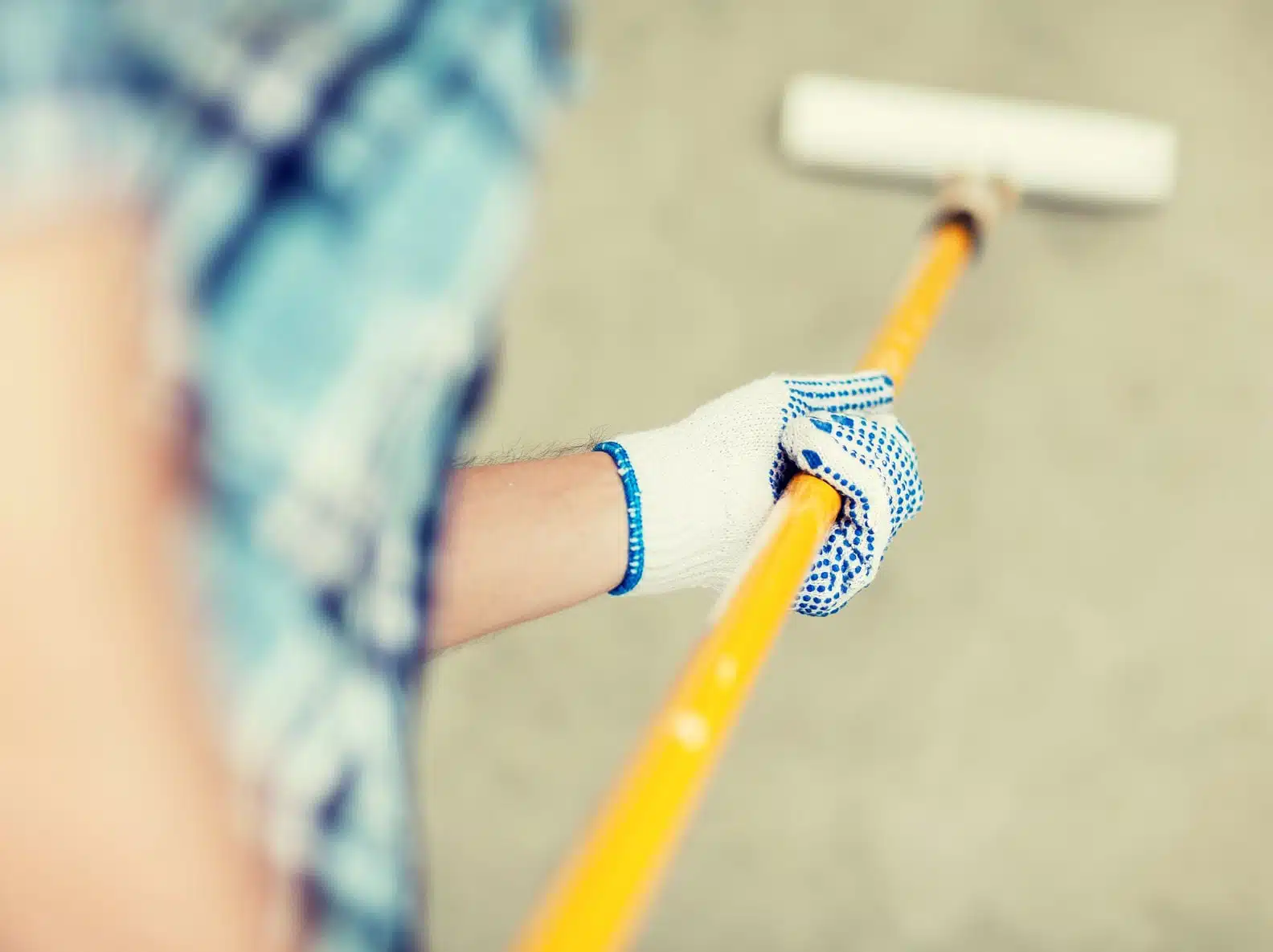
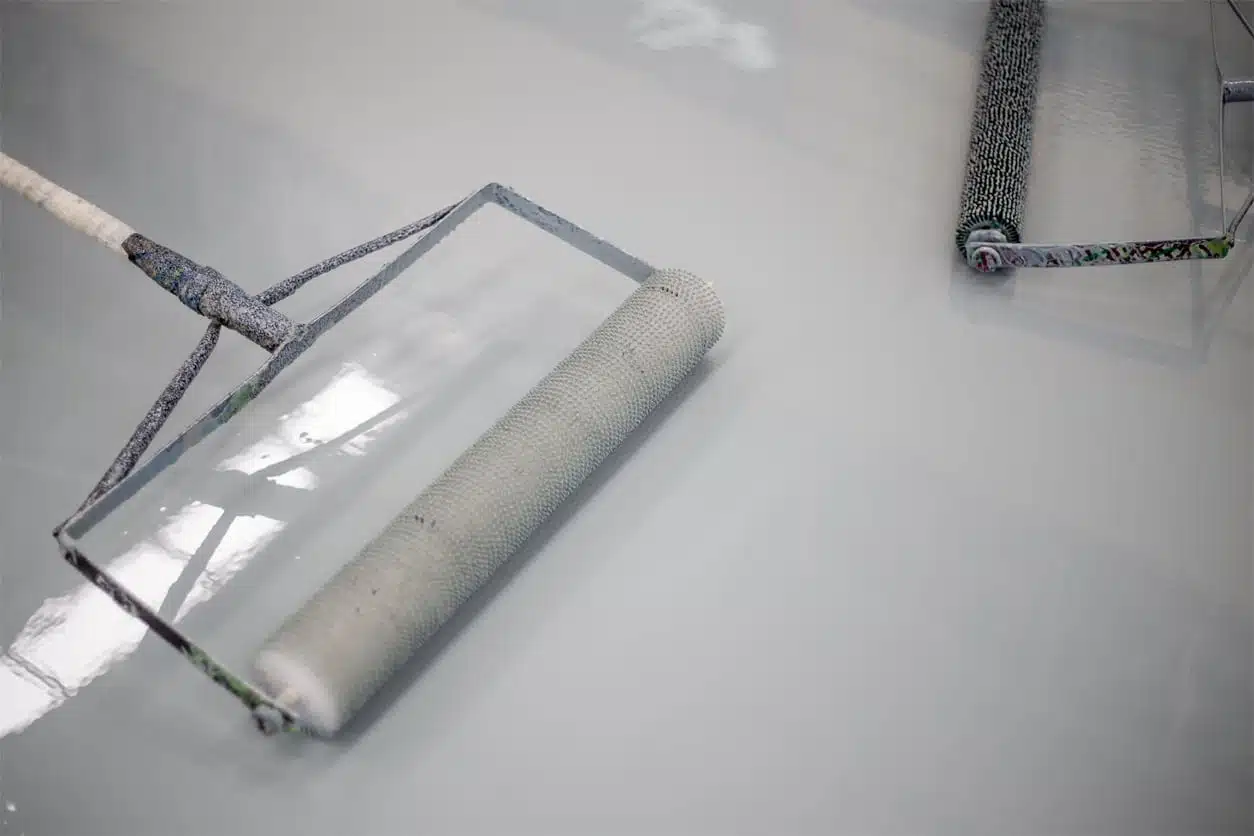
Polyaspartic sealers are a relatively new phenomenon that are increasingly becoming more popular as part of epoxy floor systems. However, they are also standalone products that may be the perfect choice for your particular concrete project. While acrylic sealers are great for decorative concrete and penetrating sealers are perfect for surfaces like basement floors that need deep protection, polyaspartics are slightly different.
Polyaspartic sealers are a surface level sealer, like acrylics and epoxies. Rather than penetrate into the concrete, they will remain on the surface to be applied comprehensively to cover the concrete surfaces they are meant to protect. They tend to be solvent-based, rather than water-based, providing thorough and lasting protection.
Polyaspartics are technically a type of urethane sealers. Urethanes, such as aliphatic urethanes, tend to be one- or two-component polymers that have varying solids contents. This means they are a perfect choice for floors and other concrete surfaces with high traffic and risk of abrasions, scratches, and spills. Polyaspartics feature excellent hardness and abrasion resistance, all while repelling chemical and moisture stains.
Polyaspartics are fast becoming recognized as a miracle material. They demonstrate excellent flexibility, able to bridge small cracks and protect already cracked surfaces. Similarly, they can be applied at almost any temperature, always featuring incredible bond strength to the concrete substrate. They are long-lasting, clear, and they can easily be applied over an epoxy basecoat or a number of epoxy basecoats.
The best quality polyaspartics possess, however, is its incredibly fast tack-free dry time. Drying in as little as one hour, depending on the particular conditions of each project, polyaspartics are the best choice for retail stores, industrial warehouses, business parks, and other places whose concrete is in need of help. Simply apply the polyaspartic coating overnight, and the floor will be dry and ready to use by the morning. The high level of protection afforded by polyaspartics, in conjunction with their exceptionally fast dry time, make them an ideal choice for many concrete sealing situations.
Our Take: One of the best polyaspartics is Polyaspartic 745 with a super fast dry time of 1-3 hours
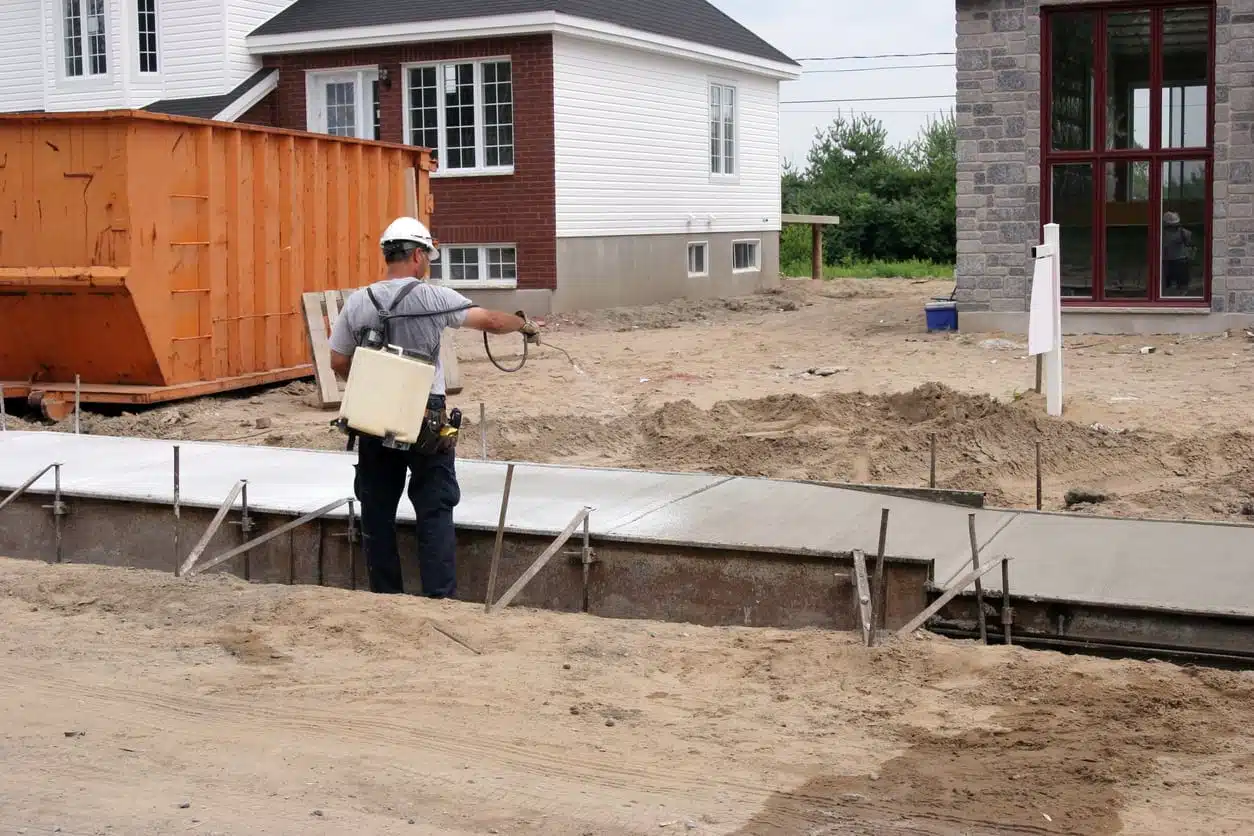
Cure and seal products are a great way to protect and cure a new slab of concrete. While concrete is known to be strong and durable, nigh indestructible, it does not just appear that way. Instead, it goes through a long and delicate process of mixing and curing that gives it its strength. If you see cracked, crumbling concrete, it is likely that the concrete has actually been poorly mixed and cured. The easiest way to avoid this is to make sure your concrete cures properly.
Concrete is mixed with Portland cement, water, and some sort of aggregate, like gravel or sand. Once mixed, it is poured and spread out, according to the project’s needs. However, after it has been poured, the concrete needs to cure for the proper amount of time. The key to curing is to maintain a consistence level of moisture and temperature, which helps the concrete gain most of its potential strength. Without a proper curing process, the concrete will never be as strong as it could be, and it will manifest problems later in its life.
A cure and seal is a product that provides a membrane over the top of freshly poured concrete. This membrane helps retain the proper amount of moisture while keeping the concrete at an adequate temperature for the curing process to be at its most effective. While the curing process is traditional done with burlap sacks or tarps and a consistent stream of water, cure and seal products are relative newcomers to the stage.
The biggest advantage to cure and seal products is that they provide a layer of protection for your concrete above and beyond what a traditional curing process will give. Typically, once the concrete is cured after the thirty-day period, it is ready to be used, though it is not protected from stains and negative effects of weathering. However, concrete treated with a cure and seal process is cured and sealed, just as the name implies. That means that the concrete actually comes into the world sealed, protected from potential disasters in the early stages of its life. While the seal will have to be renewed some years later, depending on the cure and seal product used, as well as a variety of other factors, the concrete will be able to repel stains and increase its longevity at crucial stages in its existence.
Our Take: Some excellent cure and seal sealers include Iso-Cure C309
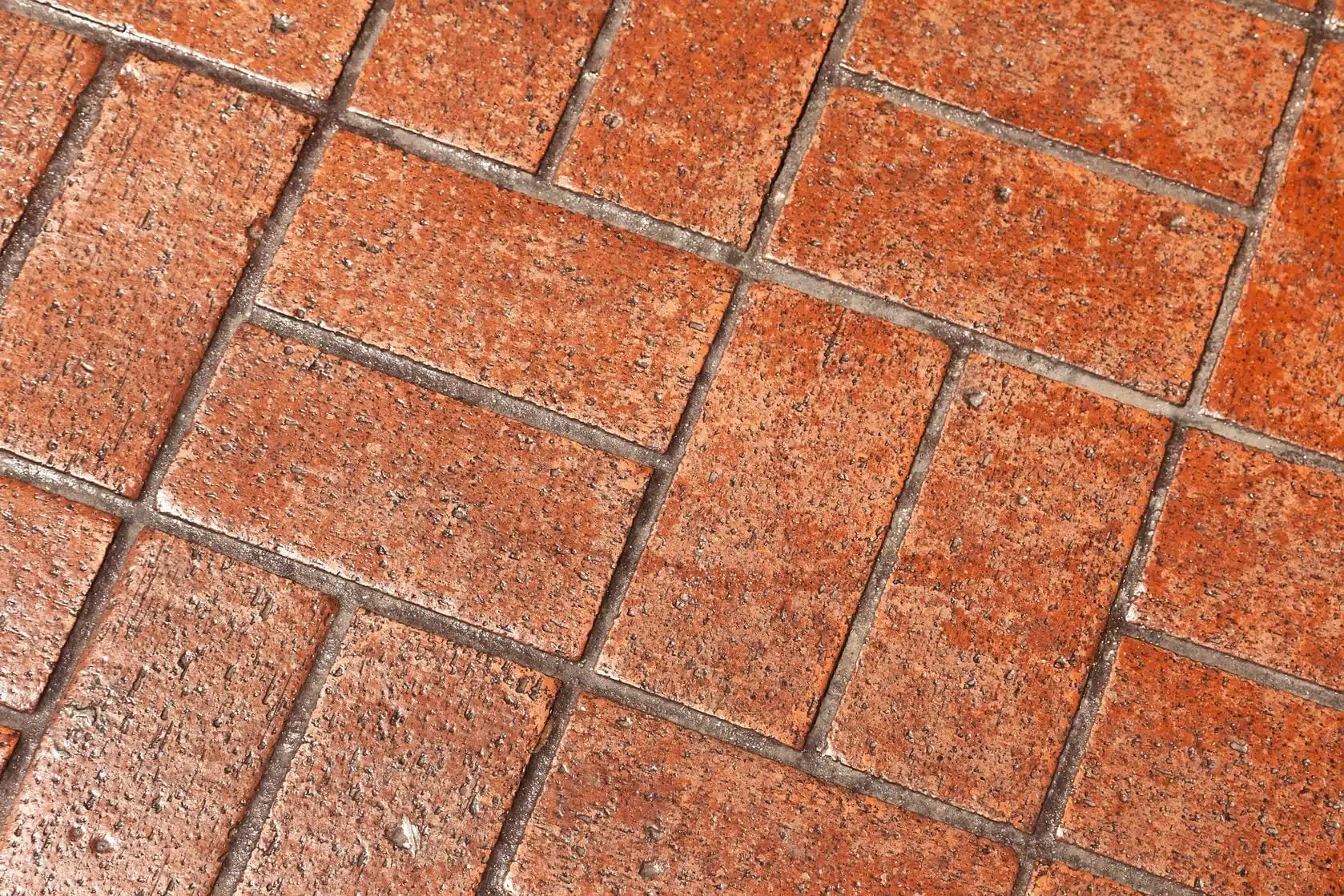
One of the most compelling reasons to use a concrete sealer is to help improve the aesthetics features of the slab, pavers, bricks or stone. Decorative concrete has become extremely popular and can be seen used in driveways and patios, interior and exterior floors, steps and walkways, pools and more. Now what is the best method of protecting all of these surfaces?
An acrylic concrete sealer would be you best option. Acrylic sealers come in water-based versions and solvent based versions. The biggest difference between the two is the VOC content, sheen and life of the product; meaning how often it lasts before needing to be reapplied. Solvent based acrylics tend to have higher VOC’s and solvent odors; however, they leave a higher gloss shine and last a few years longer than water based versions. Solvent-based sealers tend to be the strongest options when you are sealing an exterior substrate, or patio. When applying an acrylic sealer outdoors make sure that the manufacturer states their product is UV stable. If an acrylic is not UV stable and is used outdoors there are high risks of yellowing, peeling and flaking from the sun’s strong, harmful rays. Although solvent based sealers are great for exterior, decorative concrete be aware that they can make surfaces extremely slippery. They may add a beautiful high gloss finish, but if applied to a pool deck they could cause excessive slipperiness. Some manufacturers offer additives (to be used in conjunction with the sealer at the time of application) that help make the surface less slippery.
If you do not want a slippery high gloss surface you should consider a water based concrete sealer. They may need to be re-applied more frequently but they usually meet all VOC regulations and will offer a softer matte or satin sheen. Water based acrylic sealers usually last 1-3 years before needing to be re-applied compared to 2-5 years you would get from a solvent based concrete sealer.
Acrylic concrete sealers are one of the most common concrete sealers on the market today. Just be sure when you are shopping around that the sealer is a pure acrylic and not a blend of an acrylic and something else. Acrylic sealers are great for stamped decorative concrete patios, driveways and pavers and really do beautify and enhance concrete’s aesthetic appearance.
Our Take: We like Cryli-Tek 5505 with a nice wet-look that is non-yellowing and long lasting.
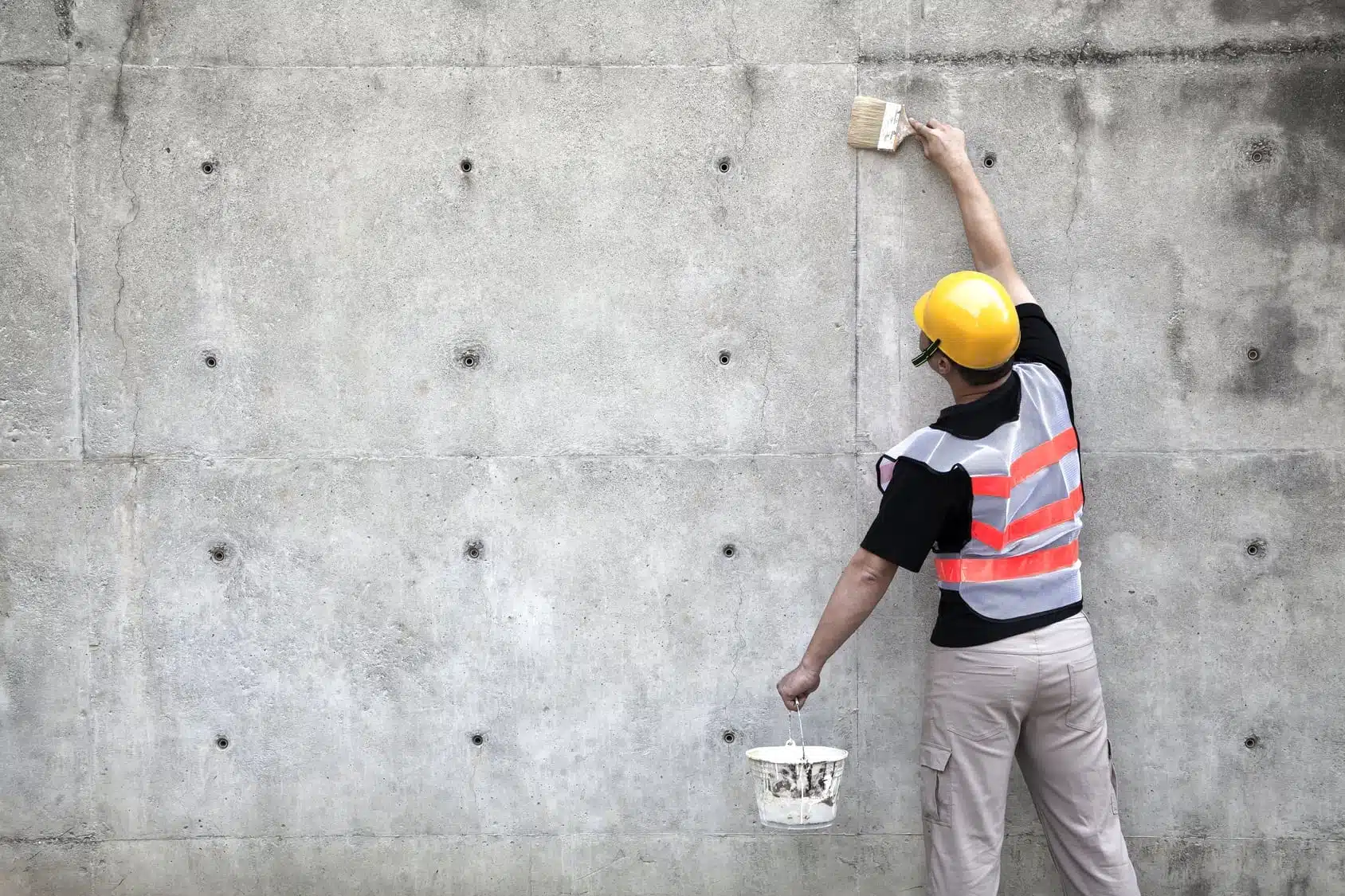
What are the best silicate concrete sealers?
When you’ve decided on a penetrating concrete sealer, maybe for a project like a garage, a driveway, or a basement made of traditional concrete, you no longer have to consider surface sealers like acrylics, urethanes, and epoxies. However, there are a few different choices at the level of penetrating sealers.
Silicate sealers are the a common choice for densification. They are a high quality, dependable choice of penetrating sealer. They are made up of small particles of silicate, a material that will penetrate past the surface pores of the concrete to react chemically within the concrete to create CSH. CSH, or calcium silicate hydrate, is a naturally occurring mineral within the concrete that provides its strength. However, concrete is naturally porous with a large number of air pockets. With a penetrating sealer delivering silicate into the concrete, the silicate will react chemically with the calcium, free lime, and various alkalis within the concrete to create more CSH, which increases the concrete’s strength.
A silicate sealer is made up of silicate suspended in a type of carrier, typically a sodium. That is why you see sodium silicate sealers everywhere on the market. These are excellent choices, but a newcomer to the field is the lithium silicate sealer. The difference is that the carrier, which only functions to transport the silicate into the concrete, is lithium instead of sodium. Keep in mind that silicates both sodium and lithium do not offer any type of waterproofing protection.
Our Take: Silicate densifiers we like are Lithi-Tek 4500 and The Ashford Formula.
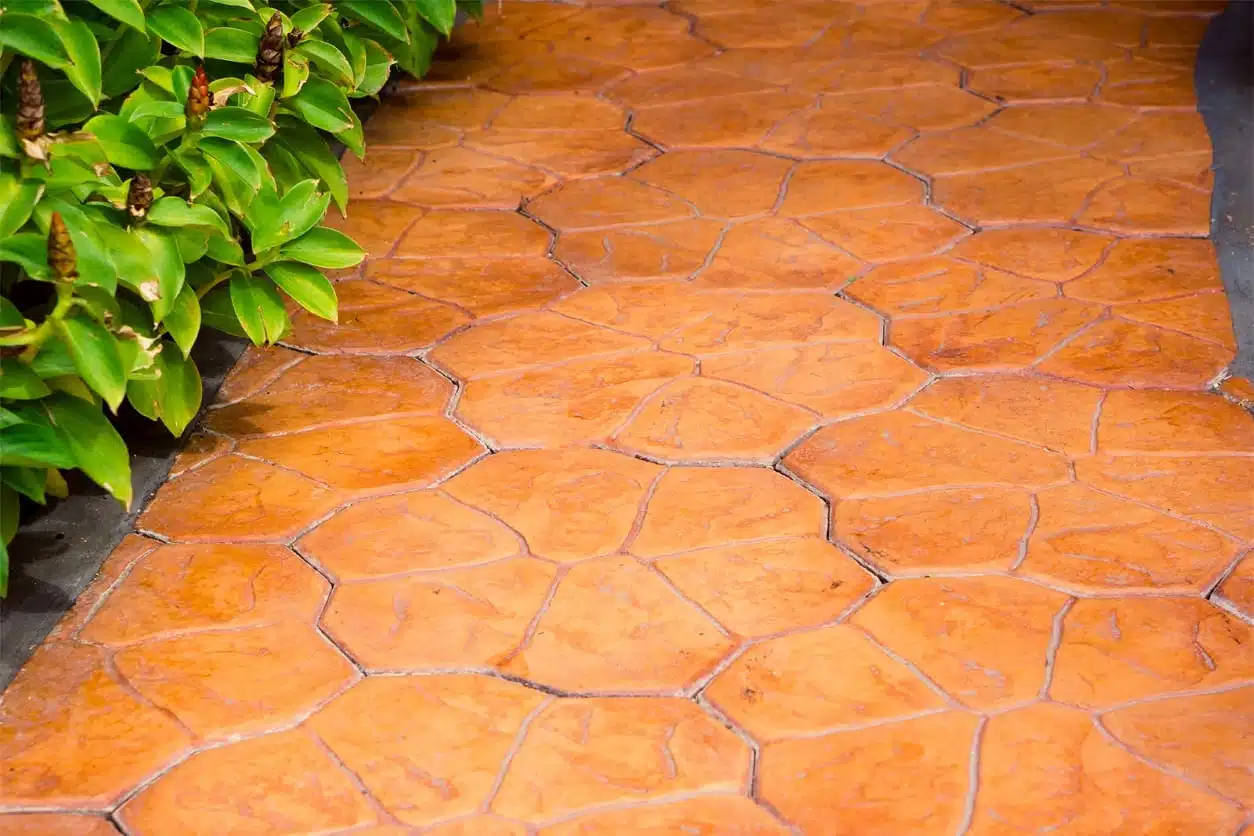
What are the best decorative concrete sealers?
Concrete primarily tends to be functional: strong, gray material that is dull while getting the job done. This is rarely a problem because we don’t really tend to care about what our foundations look like. Concrete doesn’t have to be this way, however, which leads people desiring something more visually appealing to turn to decorative concrete.
The current trend is for homeowners and contractors to try to liven up their otherwise drab concrete surfaces. Many people turn to pavers to get the tropical look they want, even in the frigid Northeast. Others try out concrete dyes, mixing and matching colors to create a vibrant visual atmosphere. Ultimately, though, it is important to protect this decorative concrete as you would (and should) with your regular concrete surfaces.
The materials you should use to protect decorative concrete will differ from those you would use when you don’t care about the surface color. Decorative concrete is typically more delicate than non-decorative – the material is NOT weaker, but you care more about the color and physical appearance of your surfaces, which means you need to go to greater lengths to protect that visual exterior.
Acrylic-based sealers tend to be a good idea when sealing decorative concrete. These sealers do not penetrate past the surface of the concrete, instead hardening over the surface to prevent water leakage and spills from marring the face of the material. Because they are not penetrative, they do not have the tangible benefits of a traditional penetrating sealer (such as locking out mold and mildew, as well as resisting efflorescence). However, the places in your home or business where you would use decorative concrete typically aren’t as threatened by these calamities as, say, a basement.
The acrylic-based sealer will not penetrate beneath the surface, but it will still provide excellent protection without damaging the physical appearance of your concrete. Penetrating sealers delve deep within the concrete to react chemically below the surface, which would ruin any sort of dye or intentional coloring already within the material. The large particles of acrylic-based sealers will ensure the substance remains atop the surface.
It is important, however, to purchase a high-quality sealing product when protecting your decorative concrete. A lesser-quality product could ruin the color quality you just spent so much time and effort perfecting.
Our Take: For a readily available, water based decorative acrylic sealer we like this one found at HomeDepot.com

Interesting Posts
-

The Definitive Guide to Concrete Sealers (2025 Edition)
Concrete is strong, but it’s not invincib... -
What Type of Sealer is Best for Concrete
What Type of Sealer is Best for Concrete? When ... -
Ghostshield Epoxy Max 100 Review
Ghostshield Epoxy Max 100 : A High-Performance ... -
Eco Advance Concrete/Masonry Siloxane Review
The Eco Advance Concrete/Masonry Siloxane Odorl... -
Aqua Mix Sealer’s Choice Gold Quart Review
Aqua Mix Sealer’s Choice Gold Quart is a ...


ABOUT US