

Affiliate disclosure: Some links on this page are affiliate links. As an Amazon Associate we earn from qualifying purchases, at no extra cost to you.
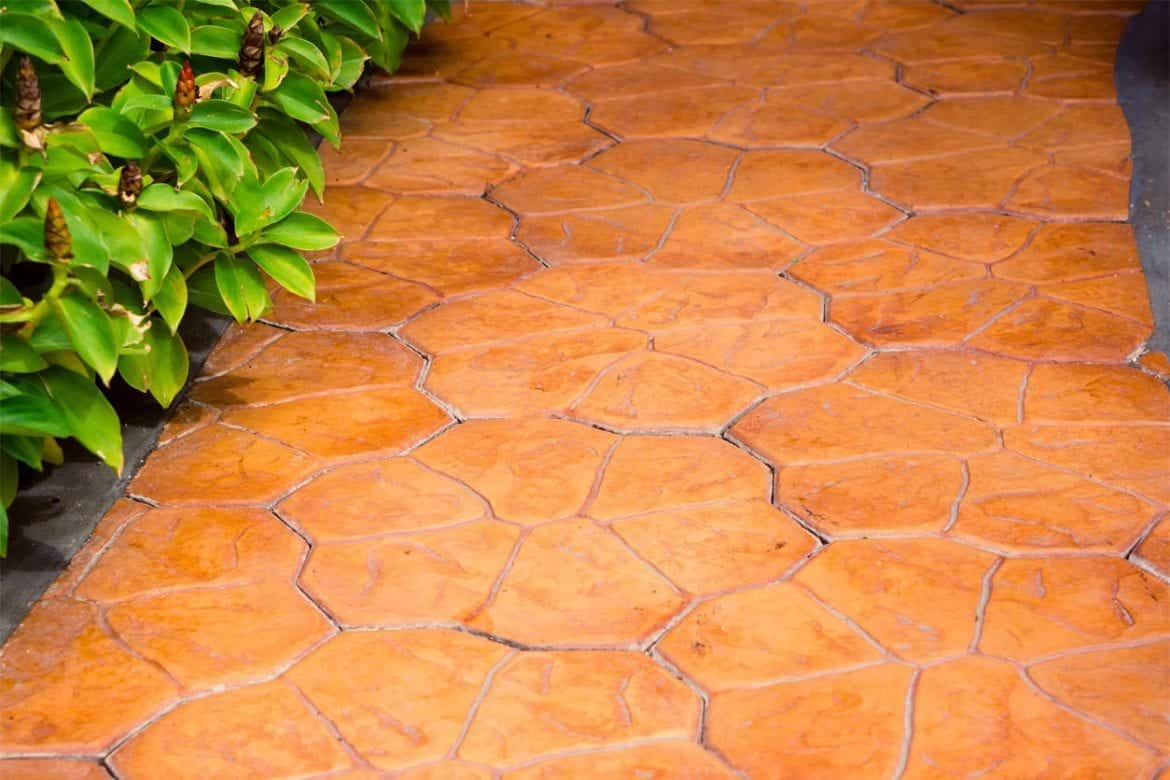
Pool decks are typically stamped concrete, aggregate or paver based substrates that greatly benefit from a wet look decorative sealer. Wet look sealers are typically solvent based acrylics that will immediately bring to life the appearance of a pool deck. The only negative to wet look sealers is that they are often reapplied on a yearly or biannual basis. When shopping for a wet look sealer for a pool deck look for one that is a non yellowing, pure acrylic sealer.
Most Popular Wet Look Pool Deck Sealers:
Ghostshield 5505: This product is a non yellowing, high gloss, wet look pure acrylic decorative sealer that will enhance, brighten and bring to life the colors and textures of any stamped concrete pool deck surface. Readily available at The Home Depot.
Eagle Seal Gloss Coat : This product is a high gloss, durable acrylic film. It can be used on all types of decorative concrete and will never yellow. Readily available at The Home Depot.
Check Price on Amazon
Related Guides

Affiliate disclosure: Some links on this page are affiliate links. As an Amazon Associate we earn from qualifying purchases, at no extra cost to you.
A wet look sealer is a clear coating that makes concrete, pavers or stone look like they’ve just been hosed down. Colors get deeper and the surface takes on a glossy shine. Most are film-forming acrylics, and choosing between solvent-based and water-based versions is the biggest decision. This guide covers how the types differ, which surfaces they suit, how to apply them and what trade-offs to expect.
| Type | Topical, film-forming clear sealers |
| Chemistry | Mostly acrylic: solvent-based (deepest look) or water-based (low odor); some urethane-modified acrylics |
| Finish | Low gloss to high gloss, darkens and enriches color |
| Coverage | Varies widely by product and surface, from about 75 to 450 sq ft/gal |
| Coats | Usually one or two thin coats; pavers often need more for full gloss |
| Dry/recoat | Commonly 1–4 hours to dry, depending on product |
| Cure | Foot traffic in hours; vehicles after 48 hours or more (check the label) |
| Best for | Stamped, colored and exposed-aggregate concrete, pavers, patios, decorative walkways |
| Not for | Surfaces with an incompatible sealer, damp slabs, areas where slip resistance is critical (without an additive) |
| New concrete | Some solvent acrylics double as cure-and-seal (ASTM C309); otherwise wait until the slab is cured and dry |
What It Is / How It Works
Wet look sealers leave a clear film on top of the surface. Light reflects off that film instead of scattering off the bare, rough concrete, so colors look richer and the surface appears wet. The more resin a sealer has and the glossier it’s formulated to be, the stronger the effect.
Solvent-based acrylics give the deepest, most “wet” look. Eagle Supreme Seal, for example, is a high-gloss solvent acrylic that covers about 75–100 sq ft per gallon, dries in about 4 hours and contains 700 g/L VOC. Eagle Premium Coat is a high-solids solvent acrylic that meets ASTM C309 and C1315 for curing and sealing. Its label allows foot traffic in 4 hours and vehicles in 48 hours. One useful trait is that solvent acrylics can be re-dissolved with xylene. Eagle’s label suggests xylene to clear fogging from moisture and to refresh buildup. The downsides are strong fumes, flammability and VOC limits in some states. Premium Coat, for instance, isn’t sold in California.
Water-based acrylics are low odor and clean up with soap and water. Their look ranges from mild satin to high gloss. BEHR Premium Wet-Look Sealer dries high-gloss and clear. It covers 200–450 sq ft per gallon, dries in 1 hour and can be recoated after 4 hours, with up to four more coats for extra gloss. Many water-based products darken concrete less than solvent-based ones, so check the label photos and test first.
Low-gloss wet looks fall in between. Several solvent-based acrylics are sold in a low-gloss version that deepens color without a mirror-like shine. Most can go on unsealed surfaces or over a previous solvent-based acrylic; check the label before recoating.
Where It Works Best (and where it doesn’t)
Wet look sealers look best on decorative concrete, where they make color and texture pop. That includes stamped and colored concrete, exposed aggregate, pavers and patios. They also add stain resistance and make surfaces easier to sweep and hose off.
They’re a weaker choice where traction matters. A glossy film on smooth concrete can be slippery when wet, and several labels offer non-skid additives for that reason. Thick films also don’t suit every surface. Eagle’s Premium Coat label rules out cured broom-swept concrete, clay brick and natural stone. BEHR’s label excludes areas next to pools and areas under hydrostatic pressure, and it warns that horizontal surfaces may wear and need touch-ups. If you want protection with no shine at all, a penetrating sealer is the better fit. See our best penetrating concrete sealers.
Pros
- Deepens color and adds gloss, especially on stamped, colored and aggregate concrete
- Adds surface resistance to stains, water and dirt
- Solvent acrylics can be re-dissolved and refreshed with xylene
- Water-based versions are low odor and clean up with soap and water
Cons
- Can be slippery when wet without a non-skid additive
- Surface films wear, fade in the sun and need periodic resealing
- Can turn milky or foggy if the surface was damp, prep was poor or the sealer went on too thick
- Solvent-based types are flammable, strong-smelling and restricted in some areas
- Compatibility issues: solvent and water-based products usually can’t be mixed over each other
How to Apply It
- Identify what’s already there. Find out whether the surface is bare, or what kind of sealer is on it now, solvent or water-based. Most labels say to recoat only over the same or a compatible sealer.
- Clean and degrease. Remove dirt, oil and wax. On bare, smooth concrete, etch so the sealer can bond. Rinse thoroughly with a pressure washer.
- Let it dry completely. Wait at least 24 hours after washing. Eagle suggests taping plastic to the surface for 24 hours. If moisture shows up underneath, it’s too wet to seal.
- Check the weather window. Typical ranges are 50–90°F for Eagle’s solvent acrylics and 50–80°F for BEHR Wet-Look. Avoid direct hot sun, and don’t apply if rain or heavy dew is coming.
- Apply thin and even. Use the applicator the label calls for. Eagle’s Premium Coat label says to roll it, not spray it, with nap length matched to the surface: long nap for aggregate, short nap for smooth concrete. BEHR allows a pump sprayer if you back-roll. Don’t let product pool.
- Add a second coat if needed. Cross-roll at a right angle to the first. Pavers often need more coats to reach full gloss.
- Respect cure times. Foot traffic usually comes back in hours, but vehicles need 48 hours or more. BEHR says to park on cardboard for 14 days.
How It Compares
Wet look vs. satin acrylic: Satin products such as Eagle Satin Seal or QUIKRETE Acrylic Cure & Seal add a lighter sheen and less darkening. They’re often a better fit for plain broom-finished driveways.
Wet look vs. penetrating sealers: Silane/siloxane sealers such as Eagle Natural Seal leave no film and no shine, and they don’t add slipperiness. They’re usually the stronger choice for freeze-thaw and salt protection on plain concrete, but they don’t enhance color.
Wet look vs. epoxy or urethane coatings: Floor coatings build a much thicker, harder film for garages and interior floors. They’re a different job from sealing a patio. See our best epoxy floor coatings, or compare all categories in our best concrete sealers for 2026.
FAQ
Is a wet look sealer slippery?
It can be, especially on smooth concrete when it’s wet. Many manufacturers offer a non-skid additive you mix into the final coat. Eagle notes that clear sealers generally need about half the additive used in solid-color systems.
Why did my wet look sealer turn white or cloudy?
Usually moisture got trapped, the sealer went on too heavily or the prep was poor. With solvent acrylics, Eagle suggests applying xylene to release the moisture. BEHR lists poor prep, not enough drying time and over-application as causes of a milky appearance.
Can you put a water-based wet look sealer over a solvent-based one?
Usually not. BEHR says not to use its water-based Wet-Look over oil-based products, and solvent acrylics are generally recoated with the same type. Strip or test before switching chemistries.
Verdict
If you want the richest color on stamped, colored or aggregate concrete and pavers, a solvent-based acrylic wet look sealer still gives the deepest result, as long as you can handle the fumes and local VOC rules. Water-based wet looks are easier to live with and still add good gloss. Whichever you choose, the results depend on a clean, dry surface, thin coats, a compatible existing sealer and slip resistance where people walk.
How we reviewed this product: this is a research-based review built from the manufacturer’s technical data sheet and current retail listings. We have not run our own hands-on tests of this product. Details were checked in October 2026; always follow the current label.
Where to Buy
Check Price on Amazon
- Cryli-Tek 5505 Solvent-Based High Gloss Sealer (1 gal.)
- Quikrete Acrylic Concrete Cure & Seal, Satin (1 gal.)
Related Guides

Related Guides

Affiliate disclosure: Some links on this page are affiliate links. As an Amazon Associate we earn from qualifying purchases, at no extra cost to you.
One of the most compelling reasons to use a concrete sealer is to help improve the aesthetics features of the slab, pavers, bricks or stone. Decorative concrete has become extremely popular and can be seen used in driveways and patios, interior and exterior floors, steps and walkways, pools and more. Now what is the best method of protecting all of these surfaces?
An acrylic concrete sealer would be you best option. Acrylic sealers come in water-based versions and solvent based versions. The biggest difference between the two is the VOC content, sheen and life of the product; meaning how often it lasts before needing to be reapplied. Solvent based acrylics tend to have higher VOC’s and solvent odors; however, they leave a higher gloss shine and last a few years longer than water based versions. Solvent-based sealers tend to be the strongest options when you are sealing an exterior substrate, or patio. When applying an acrylic sealer outdoors make sure that the manufacturer states their product is UV stable. If an acrylic is not UV stable and is used outdoors there are high risks of yellowing, peeling and flaking from the sun’s strong, harmful rays. Although solvent based sealers are great for exterior, decorative concrete be aware that they can make surfaces extremely slippery. They may add a beautiful high gloss finish, but if applied to a pool deck they could cause excessive slipperiness. Some manufacturers offer additives (to be used in conjunction with the sealer at the time of application) that help make the surface less slippery.
If you do not want a slippery high gloss surface you should consider a water based concrete sealer. They may need to be re-applied more frequently but they usually meet all VOC regulations and will offer a softer matte or satin sheen. Water based acrylic sealers usually last 1-3 years before needing to be re-applied compared to 2-5 years you would get from a solvent based concrete sealer.
Acrylic concrete sealers are one of the most common concrete sealers on the market today. Just be sure when you are shopping around that the sealer is a pure acrylic and not a blend of an acrylic and something else. Acrylic sealers are great for stamped decorative concrete patios, driveways and pavers and really do beautify and enhance concrete’s aesthetic appearance.
Our Take: We like Cryli-Tek 5505 with a nice wet-look that is non-yellowing and long lasting.
Check Price on Amazon
Related Guides
Affiliate disclosure: Some links on this page are affiliate links. As an Amazon Associate we earn from qualifying purchases, at no extra cost to you.
What are the best decorative concrete sealers?
Concrete primarily tends to be functional: strong, gray material that is dull while getting the job done. This is rarely a problem because we don’t really tend to care about what our foundations look like. Concrete doesn’t have to be this way, however, which leads people desiring something more visually appealing to turn to decorative concrete.
The current trend is for homeowners and contractors to try to liven up their otherwise drab concrete surfaces. Many people turn to pavers to get the tropical look they want, even in the frigid Northeast. Others try out concrete dyes, mixing and matching colors to create a vibrant visual atmosphere. Ultimately, though, it is important to protect this decorative concrete as you would (and should) with your regular concrete surfaces.
The materials you should use to protect decorative concrete will differ from those you would use when you don’t care about the surface color. Decorative concrete is typically more delicate than non-decorative – the material is NOT weaker, but you care more about the color and physical appearance of your surfaces, which means you need to go to greater lengths to protect that visual exterior.
Acrylic-based sealers tend to be a good idea when sealing decorative concrete. These sealers do not penetrate past the surface of the concrete, instead hardening over the surface to prevent water leakage and spills from marring the face of the material. Because they are not penetrative, they do not have the tangible benefits of a traditional penetrating sealer (such as locking out mold and mildew, as well as resisting efflorescence). However, the places in your home or business where you would use decorative concrete typically aren’t as threatened by these calamities as, say, a basement.
The acrylic-based sealer will not penetrate beneath the surface, but it will still provide excellent protection without damaging the physical appearance of your concrete. Penetrating sealers delve deep within the concrete to react chemically below the surface, which would ruin any sort of dye or intentional coloring already within the material. The large particles of acrylic-based sealers will ensure the substance remains atop the surface.
It is important, however, to purchase a high-quality sealing product when protecting your decorative concrete. A lesser-quality product could ruin the color quality you just spent so much time and effort perfecting.
Our Take: For a readily available, water based decorative acrylic sealer we like this one found at HomeDepot.com