
Affiliate disclosure: Some links on this page are affiliate links. As an Amazon Associate we earn from qualifying purchases, at no extra cost to you.
The best chimney sealer is a breathable, penetrating water repellent made from silane, siloxane or a blend of the two. It soaks into brick, stone and mortar, stops rain from wicking in, and still lets moisture and combustion vapor escape from inside the chimney. Paint, clear acrylic sealers and other film-forming coatings are the wrong choice: they trap that moisture, and freeze-thaw cycles then pop the faces off the brick (spalling).
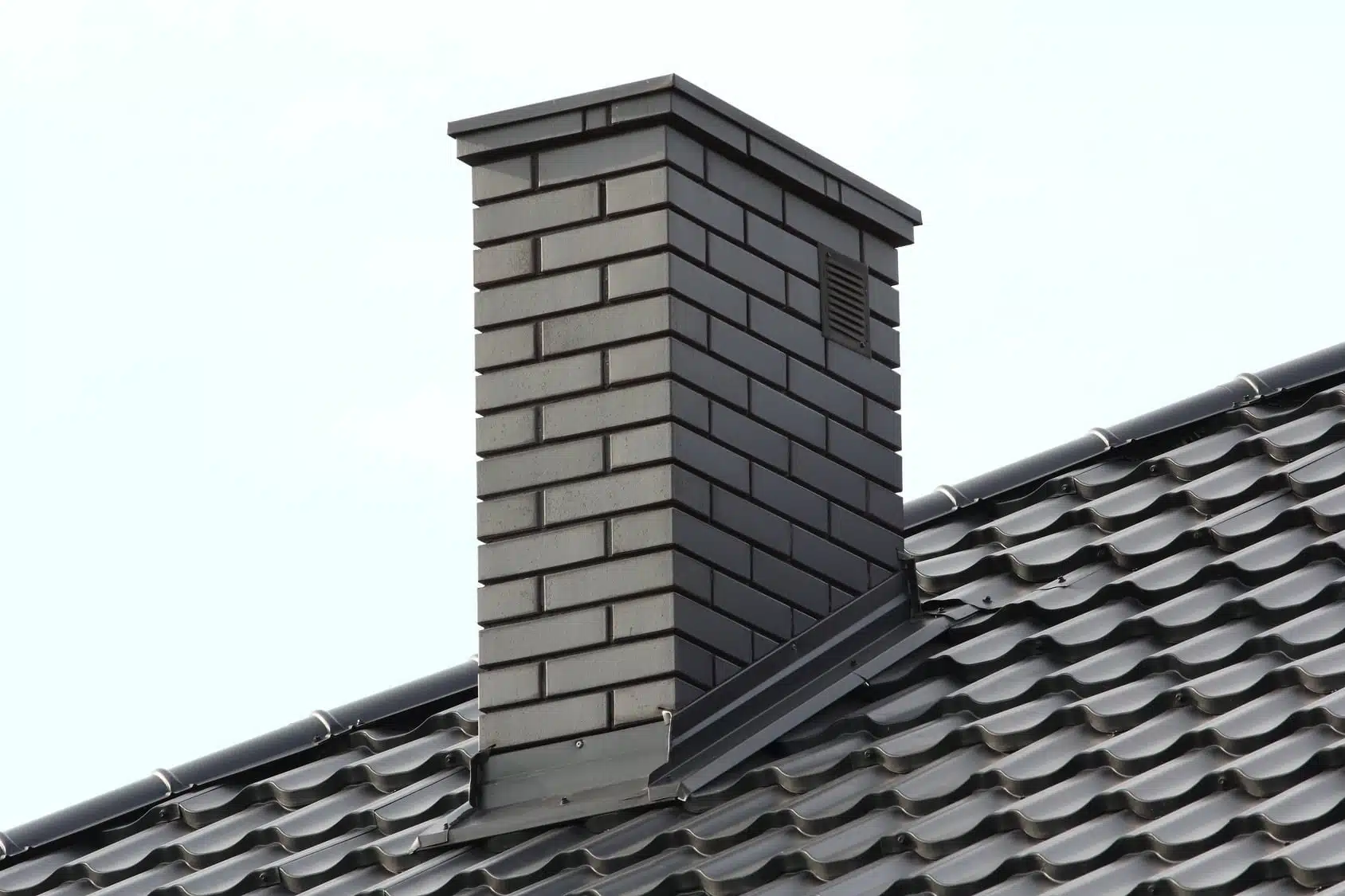
A water repellent only protects the brick and mortar, though. Most chimney leaks start at the crown, the cap or the flashing, so those need to be checked and fixed first. This guide covers what causes chimney leaks, which sealers to use, and how to apply them.
Our Picks at a Glance
- Best purpose-built chimney repellent: ChimneySaver Water-Base Water Repellent. A zero-VOC polysiloxane made specifically for chimneys, sold through chimney-supply dealers.
- Best for larger masonry jobs: Siloxa-Tek 8500. A water-based silane penetrating repellent for brick, stucco and block that also covers driveways and patios, sold ready-to-use or as a concentrate.
| ChimneySaver Water-Base | Siloxa-Tek 8500 | |
|---|---|---|
| Chemistry | Water-based polysiloxane | Water-based silane (isooctyltriethoxysilane) |
| VOC | Zero | 90 g/L maximum |
| Breathability | Listed as 100% vapor permeable | Penetrating, non-film-forming |
| Coverage | About 90–150 sq ft/gal total | 150–400 sq ft/gal (one coat) |
| Application | Wet-on-wet on vertical surfaces | Two coats, wet-on-wet |
| Temperature | 40–110°F, no rain within 6 hours | Dries in about 4–6 hours at 70°F |
| Warranty | 10 years (vertical surfaces, professional application) | See manufacturer |
Why Chimneys Leak (Fix These Before You Seal)
A sealer can’t stop water that is pouring in somewhere else. Check these areas first, starting at the top:
- Crown. The concrete slab around the flue at the top. Many crowns are built from ordinary mortar, which cracks and chips. A good crown slopes to shed water and overhangs the brick so water drips clear of the walls.
- Cap. An open flue lets rain and snow straight down the chimney. A cap stops that and also keeps animals out.
- Flashing. The metal seal where the chimney meets the roof. Failed or poorly installed flashing is one of the most common sources of “chimney” leaks that show up on ceilings.
- Mortar joints. Cracked, sandy or missing mortar soaks up water. Repoint bad joints before applying any repellent.
- Brick faces. Old, porous brick absorbs wind-driven rain. This is the part a water repellent actually fixes.
If water appears inside during heavy rain, if the crown is cracked, or if the flashing is lifting, call a chimney professional. Those are repairs, not sealing jobs.
What Type of Sealer to Use on a Chimney
Use a vapor-permeable penetrating water repellent: silane, siloxane, or a silane/siloxane blend. These react inside the pores of the masonry and leave no film on the surface, so the brick keeps its natural look and can still breathe. That breathability matters more on a chimney than almost anywhere else, because a working fireplace or furnace pushes warm, moist combustion gases up the flue and some of that moisture moves out through the masonry.
Avoid paint, acrylic “wet look” sealers, elastomeric coatings and deck or wood sealers on chimney brick. They form a skin that traps moisture behind it. In freezing weather that trapped water expands and can flake off the brick face. For more on how these chemistries compare, see our guide to the best silane/siloxane sealers.
Best Purpose-Built Chimney Repellent: ChimneySaver Water-Base
ChimneySaver is made by Saver Systems specifically for masonry chimneys. The water-base version is a zero-VOC polysiloxane that the manufacturer lists as 100% vapor permeable, so combustion moisture can still escape. It goes on wet-on-wet: a second application within a few minutes of the first, while the surface is still wet. Expect roughly 90–150 square feet per gallon depending on how porous the brick is.
The 10-year warranty is a plus, but read the fine print: it covers the water-repellent effect on vertical surfaces only, requires professional application to label instructions, and excludes existing spalling and faulty construction. It’s mostly sold through chimney-supply dealers and chimney sweeps rather than big-box stores.
Best for Larger Masonry Jobs: Siloxa-Tek 8500
Siloxa-Tek 8500 is a water-based silane penetrating repellent rated for brick, stucco and block as well as concrete. It dries to a natural, flat finish and goes on in two wet-on-wet coats at about 150–400 square feet per gallon per coat. It’s a good fit if you’re treating a chimney along with other masonry, such as brick steps, a block foundation or a patio, because one product covers all of it. It’s sold ready-to-use or as a concentrate that you mix with water. Read our full Siloxa-Tek 8500 review for specs and trade-offs.
How to Seal a Brick Chimney
- Inspect and repair first. Fix the crown, cap, flashing and any bad mortar joints. Wait at least 72 hours after repointing, and about 28 days on brand-new masonry, before applying a repellent (ChimneySaver’s guidance).
- Clean the brick. Remove dirt, moss and efflorescence and let the chimney dry completely. Remove any old paint or coatings, because a penetrating repellent can’t soak through them.
- Check the weather. Apply in dry weather within the product’s temperature range (40–110°F for ChimneySaver) with no rain expected for at least 6 hours.
- Protect the roof, windows and plants from overspray.
- Apply from the top down with a low-pressure pump sprayer, saturating the brick until it just starts to run. Follow with a second wet-on-wet application where the label calls for it.
- Let it cure. Repellency develops over the following hours and keeps strengthening for days. Test it after a week by splashing water on the brick: it should bead instead of darkening the surface.
For a step-by-step walkthrough of finding the leak itself, see how to waterproof a chimney.
How Long Does a Chimney Sealer Last?
A good penetrating repellent typically lasts five to ten years on a chimney, depending on the product, how porous the brick is and how much weather the chimney gets. Because there’s no film to peel, reapplying is simple: clean the brick and apply another coat once water stops beading.
Chimney Sealer FAQ
Should I seal my brick chimney?
If the brick soaks up water (it darkens quickly when wet) or you see efflorescence or spalling, a breathable water repellent is worth it. Make the crown, cap and flashing repairs first.
Can I paint my chimney instead?
It’s not recommended. Paint and other film-forming coatings trap moisture inside the masonry, which leads to peeling paint and spalled brick.
Will a sealer fix a cracked chimney crown?
No. A water repellent protects brick and mortar, but it won’t bridge cracks. Cracked crowns need to be repaired or rebuilt, or coated with a crown repair product made for that purpose.
Can I use a concrete driveway sealer on a chimney?
Only if it’s a breathable silane or siloxane penetrating repellent rated for brick or masonry. Acrylic and other film-forming driveway sealers aren’t suitable for chimneys.