
Affiliate disclosure: Some links on this page are affiliate links. As an Amazon Associate we earn from qualifying purchases, at no extra cost to you.
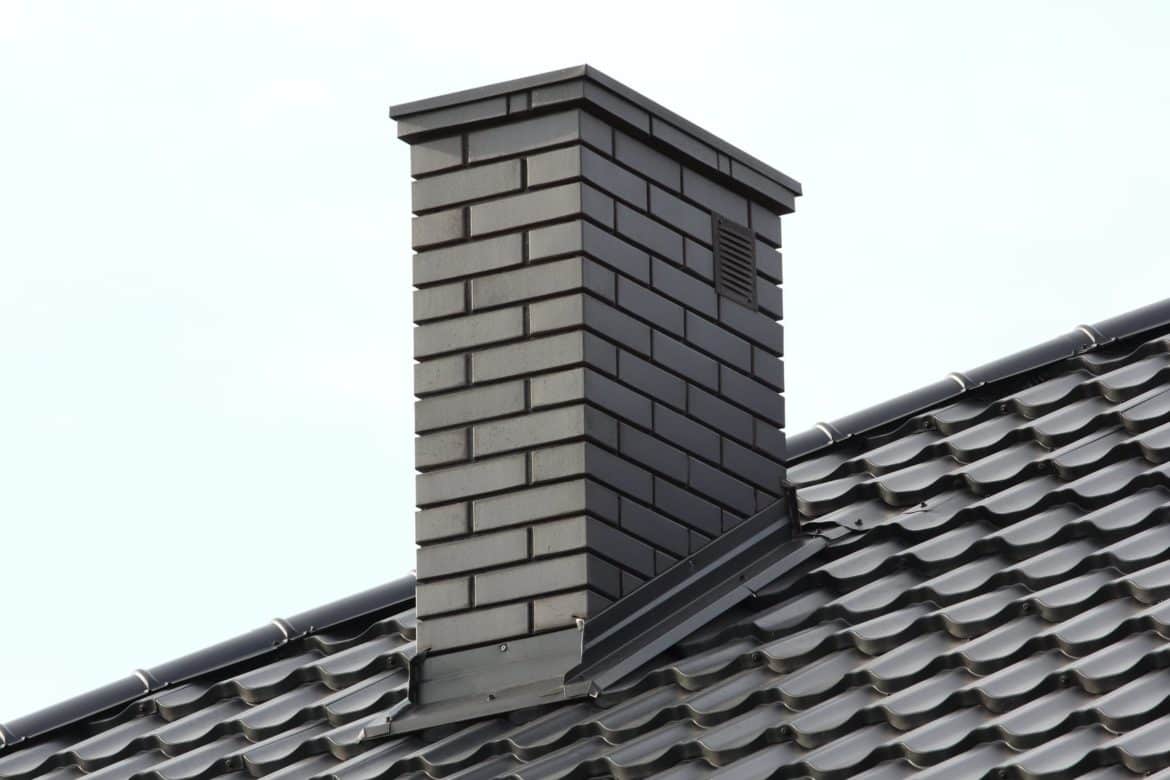
One of the most frustrating scenes to walk into is a leaking chimney. It is one of the applications that you don’t give much thought to until it is too late. Because bricks, stone, masonry are extremely porous they are at high risk of leakage if left unsealed. In order to prevent water leakage, mold, mildew and efflorescence from occurring to your chimney these are the steps to take:
- Clean the chimney, make sure all mold, mildew and efflorescence are completely removed.
- Fix any cracks in the mortar, or if the chimney is severely damaged re-point the chimney.
- Use a waterproofing sealer, like this one found at homedepot.com which is a silane/siloxane blend that will waterproof and protect your chimney from future leaks and water damage for over 10 years.
Check Price on Amazon
Related Guides

All look alike products do not perform the same even though they are making similar claims. How do you know which one to believe?
Sodium Silicates: How do you know which one to believe definitely applies to sodium silicates. Sodium silicate formulas have been around since the 1950’s and were initially used as concrete floor hardeners. Today because of their economical nature many concrete manufacturers and distributors claim sodium silicates to be effective waterproofers. Sodium silicate solutions have a place as a concrete treatment; however, their role should only be limited as concrete surface hardeners. Sodium silicate solutions perform very poorly and ineffective as waterproofing sealers since they have a limited depth of penetration and they are unable to stop or reduce hydrostatic pressure. If you want to densify your concrete a sodium silicate hardener is an excellent option; however, leave the waterproofing to one of the other methods below.
Siliconates: Siliconates are as a highly alkaline aqueous solutions that are used for water-repellent impregnation. After the water has evaporated from the sealer, siliconate reacts with atmospheric carbon dioxide to form a water-repellent surface barrier. Siliconates are good water repellent options with an excellent water bead effect.
Silicate/Siliconates: An effective waterproofing method because of the densification properties of the silicate and the hydrophobic properties of the siliconate. Typically silicates are used to harden and siliconates are used to protect from water and by combining the two a dual action product is created. The silicate component reacts with the concrete by introducing additional silicate that reacts with excess calcium hydroxide to form more CSH. This results in a denser, harder concrete surface. The siliconate applied to the concrete undergoes a two part process in which it first reacts with carbon dioxide in the air to form an active silicone resin. The silicone resin then reacts with calcium hydroxide to form a liquid repellent resin on the concrete surface and within the available capillary pores. Siliconates are sealers, not densifiers and are best used when blended with silicate to provide both densifying and sealing properties. The seal elicited is microscopic and there is no film build up on the surface which means it cannot wear off over time. An excellent option for waterproofing basements and driveways.
Silanes: The main deterioration mechanism for concrete is corrosion and scaling due to deicing products. The most effective solution to protect water and salts from damaging concrete is to use a silane based sealer. Because silanes do not change the skid or slip resistance of concrete they are ideal for driving surfaces (aka driveways, bridges, roadways). Silanes penetrate deep because of their extremely small molecular size and they chemically bond with silica to form a permanent attachment of the water repellent molecule. This creates a deep hydrophobic layer that prevents water and waterborne contaminants from entering the substrate and causing premature deterioration. Silanes leave the surface with a completely invisible finish and elicit a water sheeting effect.
Siloxanes: Siloxanes have a larger size polymer and penetration is not as deep as other sealers. Unlike silanes, which require a high pH to catalyze, siloxanes are not dependent on substrate pH. Because of this, siloxanes are ideal for treating brick, stucco, and stone. Siloxanes are not commonly used as a stand alone products but to maximize their potential they are typically blended with silanes. Used as a stand alone product siloxanes may slightly darken the treated surface while also creating a water beading effect.
Silane/Siloxanes: Silanes and siloxanes are both derived from the silicone family. Despite being very closely related, they have significant performance differences. Because silanes are made up of smaller molecules than siloxanes, they typically will obtain deeper penetration than siloxanes. As a result, silanes perform well under abrasion and weathering conditions. A consequence, however, of this small molecular size is that silanes are relatively volatile. Therefore, the solids content of a silane product should be high enough to compensate for the loss of reactive material through evaporation during application and cure. Siloxanes, because they are less volatile, generally offer good water repellent performance at lower costs. However, for concrete surfaces subjected to abrasive wear, treatment with a silane sealer will provide longer lasting protection. In regard to surface texture and color, treatment with silane sealers typically cannot be detected visually. Siloxane products may slightly darken the treated surface. By using a combination of silanes and siloxanes the benefits of each compensate for the weaknesses of each making for the perfect DIY water repellent sealer. Silane/Siloxane blends are commonly used on driveways, sidewalks and leave the surface with a natural finish.
Elastomeric Coatings: Elastomeric coatings are rubberized emulsions which cure to provide a heavy duty rubber-like membrane for use in waterproofing or damp proofing concrete or masonry surfaces above and below grade. The term elastomeric simply means that the material is flexible. Elastomeric coatings are durable and essentially derivatives of urethanes and polyurethanes formulated into a liquid which can be applied to form a monolithic waterproofing membrane. While elastomeric coatings are impermeable to water, chemical vapors and sub-terrain gases they are at high risk of delamination with a short lifespan. They also alter and change the color, texture and surface appearance of concrete.
Crystalline Waterproofers: Crystalline waterproofing is an effective waterproofing method because it fills capillaries to prevent the penetration of water and other liquids from any direction. By way of diffusion, the reactive chemicals in crystalline waterproofers use water as a migrating medium to enter and travel down the capillaries of the concrete. A chemical reaction between the crystalline waterproofers occurs between moisture and the by-products of cement hydration, forming a new non-soluble crystalline structure. This integral structure fills the capillary tracts rendering the concrete waterproof.
Related Guides
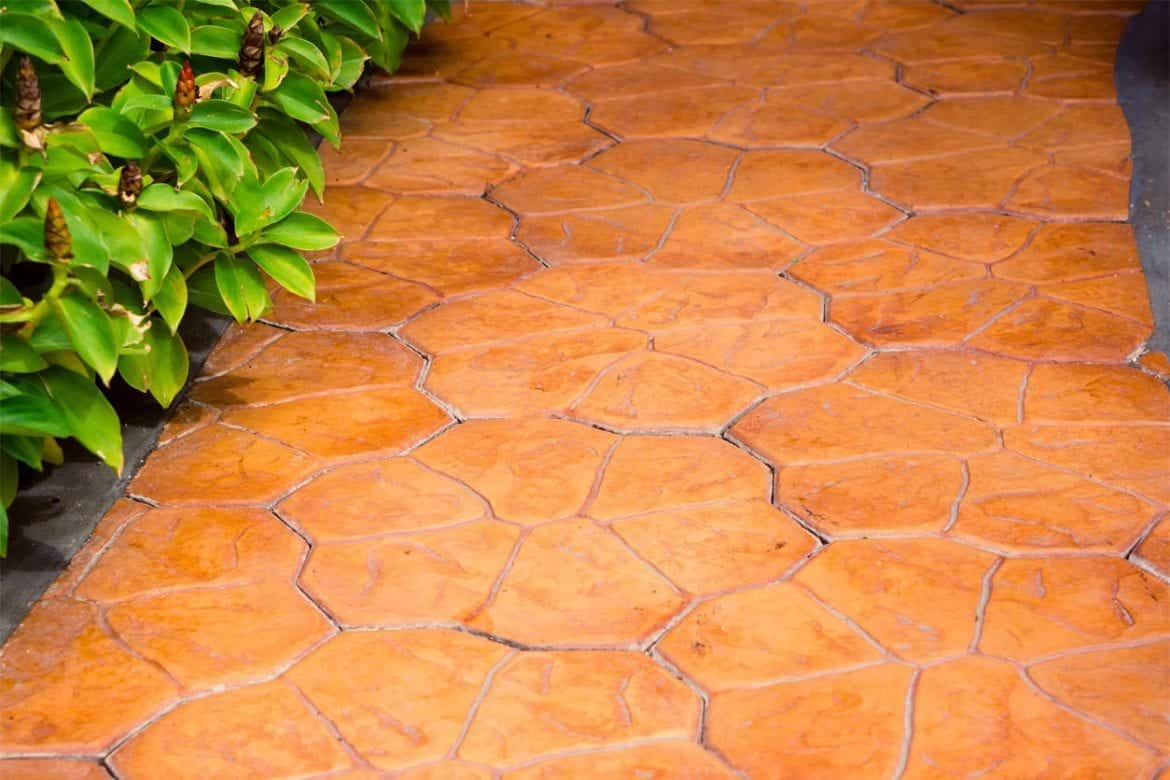
There are a few different options when it comes to coloring concrete:
1. Integral coloring
Integral color is used when new concrete is being poured to add color to the concrete during the mixing process. The color is either in liquid or powder form and allows color to be added to the entire depth of the slab. This allows for a uniform color for a large amount of square footage.
2. Shake on color
Shake on color is used on new concrete by broadcasting small pigments of powder that work their way into the concrete. Water from the newly poured concrete wets the powder and causes the color to bond with the top layer of concrete.
3. Acid Stains
Acid stains are chemically reactive and react with minerals in the concrete to create a unique, durable color effect. Acid stains are hazardous and must be neutralized after application. Acid stains can be used on new or old concrete slabs.
4. Acetone dyes
Acetone stains and dyes are solvent based and hazardous but can create vivid beautiful colors. They are not UV stable so a protective sealer should be used on top of an acetone dye to lock in the color.
5. Water-based dyes
Water based dyes are safe and easy to apply with all of the colors able to be mixed together to create patterns and effects. Since they are not UV stable a protective sealer should be used on top of water based dyes to lock in the color.
6. Color densifiers
Color densifiers are a new technology in which a colored, water based, lithium silicate solution is used. They allow you to densify the concrete while coloring it in the same step. The color densifiers are UV stable but a protective sealer can be used on top of a color densifier to lock in the color and add an additional sheen.
Related Guides

Affiliate disclosure: Some links on this page are affiliate links. As an Amazon Associate we earn from qualifying purchases, at no extra cost to you.
Stamped concrete gets most of its good looks from color and texture, and the sealer is what keeps both from fading, staining and wearing away. This guide explains the main types of stamped concrete sealer, how to pick between them, and how to apply one without the cloudy, bubbly or slippery results that cause most complaints. The bottom line: for most stamped patios, walkways and pool surrounds, a quality acrylic sealer applied in two thin coats, with an anti-slip additive where people walk wet, is the right choice. Plan to reseal every few years.
| Type | Mostly film-forming acrylic sealers; penetrating sealers for a no-sheen look |
| Chemistry | Water-based acrylic (low odor) or solvent-based acrylic (deeper gloss, strong fumes) |
| Finish | Matte/low-lustre, satin or high-gloss wet look |
| Coverage | Varies by product and texture; for example BEHR Wet-Look lists 200–450 sq ft/gal and Cryli-Tek 5505 lists 200 sq ft/gal |
| Coats | Usually 2 thin coats |
| Dry/recoat | Typically 1–4 hours between coats, depending on the product |
| Cure | Keep furniture and vehicles off at least 24 hours; follow the label |
| Best for | Stamped patios, walkways, pool surrounds, driveways |
| Not for | Damp slabs, heavy over-application, gloss films without anti-slip in wet areas |
| New concrete | Usually wait at least 28–30 days unless the product says otherwise |
What It Is / How It Works
Stamped concrete is colored with integral color, color hardener, antiquing release, stains or dyes, then textured with mats. Those colors live in the top fraction of an inch, and they are exposed to sun, water, freeze-thaw cycles, oil, deicing salt and foot traffic. A sealer protects that layer and largely controls how intense the color looks. The American Society of Concrete Contractors’ decorative concrete guide points out that the sealer determines how deep the color appears, and that sealer on long-unsealed concrete can bring faded color back to a nearly new look.
There are two broad approaches:
- Film-forming acrylic sealers. The most common choice for stamped concrete. They form a thin clear film that enhances color, adds sheen and repels water and stains. They come in water-based and solvent-based versions and in finishes from low-lustre to high-gloss wet look. They wear over time and need resealing.
- Penetrating sealers. Silane/siloxane and similar products soak in and repel water without a film. They do not peel and are not slippery, but they add little or no color enhancement, so stamped concrete tends to look flat. They suit owners who prefer a natural look. See our best penetrating concrete sealers.
Polyurethane and epoxy coatings are also used on some interior decorative floors, but for outdoor stamped concrete, acrylics dominate because they are UV stable, breathable enough for exterior slabs and easy to recoat.
Where It Works Best (and where it doesn’t)
Solvent-based acrylics generally give the deepest, glassiest wet look and are a common contractor choice. The trade-offs are strong odor, flammability and solvent cleanup. ASCC warns against using them in occupied buildings or near open flames such as water-heater pilots. Water-based acrylics smell more like latex paint, clean up with water and are easier for DIY use, but they are less forgiving of thick coats and cool, damp conditions.
Gloss level is mostly a matter of taste. ASCC notes that high-gloss and matte sealers perform about the same long term, but high-gloss films carry more resin and intensify color more. Concrete Network notes that glossy finishes can be slippery and may need more maintenance. On pool decks, steps and walkways, use an anti-skid additive made for your sealer. ASCC specifically says not to use sand or silica, which can make the sealer break down.
Compatibility matters when resealing. If a sealer is already on the slab, the safest choice is usually the same product or one the manufacturer says is compatible. Test a small area first. A water-based acrylic over an old solvent acrylic, or the reverse, can fail to bond or turn cloudy.
Pros
- Restores and deepens faded color
- Protects against water, freeze-thaw, UV, oil and deicing chemicals
- Makes the surface easier to clean
- Acrylics are affordable, easy to apply and easy to recoat
- Choice of sheen from natural to high gloss
Cons
- Film sealers wear and need resealing every few years
- Over-application causes bubbling, cracking and whitening
- Gloss finishes can be slippery when wet without an additive
- Solvent-based products have strong fumes and are flammable
- Switching sealer types can cause bonding or clarity problems
How to Apply It
- Wait on new work. Let new stamped concrete cure at least 28 days (some labels say 30) unless the sealer’s maker says otherwise.
- Clean. Pressure-wash to remove dirt, stains and any failing sealer. On new work, remove leftover release agent. Rinse away all detergent.
- Let it dry completely, typically at least 24 hours after washing. Moisture trapped under a film is a leading cause of white, cloudy sealer.
- Check the weather and label. Stay within the product’s temperature range (for example, BEHR Wet-Look calls for 50–80°F) and avoid rain or condensation for at least 12–24 hours.
- Mix in anti-skid additive for walkways, steps and pool areas.
- Apply thin. Spray and immediately back-roll so sealer does not pool in grout lines and texture. Use the label’s coverage rate.
- Apply a second thin coat after the recoat time on the label, crosswise to the first.
- Let it cure. Keep furniture and vehicles off for at least 24 hours, longer if the label says so.
How It Compares
A few real products illustrate the main choices:
BEHR Premium Wet-Look Sealer (No. 985). A water-based, high-gloss acrylic sold at Home Depot. It lists 200–450 sq ft per gallon, 1-hour dry, 4-hour recoat and a 50–80°F window. It is approved for pavers, concrete and masonry but not for areas immediately next to pools.
H&C ClariShield Water-Based Wet Look. Sherwin-Williams’ water-based gloss acrylic. It goes on milky and dries clear in about an hour, takes two coats (the second crosswise), and pairs with H&C’s water-based concrete stains. H&C recommends its Shark Grip additive on damp or inclined surfaces.
Ghostshield Cryli-Tek 5505. A solvent-based, high-gloss wet-look acrylic. Its data sheet lists about 200 sq ft per gallon in one coat, a 60–90°F window, 250 g/L VOC and xylene cleanup. It is the type of product to consider when you want maximum gloss and can manage the fumes.
For more picks across all categories, see our best concrete sealers for 2026, and for stamped driveways, our best driveway sealer guide.
FAQ
How often should stamped concrete be sealed?
ASCC’s guide suggests every 2–3 years for high-traffic or sun-exposed areas and every 4–5 years for light-traffic or interior areas. Fading, patchy color or concrete that darkens quickly when wet are signs it is time.
Why did my stamped concrete sealer turn white?
The most common causes are applying it too thick and sealing over damp concrete. Both trap moisture in the film. Thin coats on a fully dry slab, within the label’s temperature range, prevent most cases.
How do I make sealed stamped concrete less slippery?
Mix an anti-skid additive made for your sealer into the final coat, or choose a lower-gloss product. Do not add sand or silica, which ASCC warns can cause the sealer to deteriorate.
Can I use a water-based sealer over a solvent-based one?
Sometimes, but not always. The safest choice is the same product or a type the manufacturer says is compatible. Always test a small area first.
Verdict
For most homeowners, the best stamped concrete sealer is a quality acrylic in the sheen you like, applied in two thin coats on a clean, dry slab, with anti-skid where people walk wet. Choose water-based for easy DIY and low odor, solvent-based for the deepest wet look, and a penetrating sealer only if you want no sheen at all. Whatever you pick, budget for resealing every few years.
How we reviewed this product: this is a research-based review built from the manufacturer’s technical data sheet and current retail listings. We have not run our own hands-on tests of this product. Details were checked in October 2026; always follow the current label.
Where to Buy
Related Guides

Affiliate disclosure: Some links on this page are affiliate links. As an Amazon Associate we earn from qualifying purchases, at no extra cost to you.
A wet look sealer is a clear coating that makes concrete, pavers or stone look like they’ve just been hosed down. Colors get deeper and the surface takes on a glossy shine. Most are film-forming acrylics, and choosing between solvent-based and water-based versions is the biggest decision. This guide covers how the types differ, which surfaces they suit, how to apply them and what trade-offs to expect.
| Type | Topical, film-forming clear sealers |
| Chemistry | Mostly acrylic: solvent-based (deepest look) or water-based (low odor); some urethane-modified acrylics |
| Finish | Low gloss to high gloss, darkens and enriches color |
| Coverage | Varies widely by product and surface, from about 75 to 450 sq ft/gal |
| Coats | Usually one or two thin coats; pavers often need more for full gloss |
| Dry/recoat | Commonly 1–4 hours to dry, depending on product |
| Cure | Foot traffic in hours; vehicles after 48 hours or more (check the label) |
| Best for | Stamped, colored and exposed-aggregate concrete, pavers, patios, decorative walkways |
| Not for | Surfaces with an incompatible sealer, damp slabs, areas where slip resistance is critical (without an additive) |
| New concrete | Some solvent acrylics double as cure-and-seal (ASTM C309); otherwise wait until the slab is cured and dry |
What It Is / How It Works
Wet look sealers leave a clear film on top of the surface. Light reflects off that film instead of scattering off the bare, rough concrete, so colors look richer and the surface appears wet. The more resin a sealer has and the glossier it’s formulated to be, the stronger the effect.
Solvent-based acrylics give the deepest, most “wet” look. Eagle Supreme Seal, for example, is a high-gloss solvent acrylic that covers about 75–100 sq ft per gallon, dries in about 4 hours and contains 700 g/L VOC. Eagle Premium Coat is a high-solids solvent acrylic that meets ASTM C309 and C1315 for curing and sealing. Its label allows foot traffic in 4 hours and vehicles in 48 hours. One useful trait is that solvent acrylics can be re-dissolved with xylene. Eagle’s label suggests xylene to clear fogging from moisture and to refresh buildup. The downsides are strong fumes, flammability and VOC limits in some states. Premium Coat, for instance, isn’t sold in California.
Water-based acrylics are low odor and clean up with soap and water. Their look ranges from mild satin to high gloss. BEHR Premium Wet-Look Sealer dries high-gloss and clear. It covers 200–450 sq ft per gallon, dries in 1 hour and can be recoated after 4 hours, with up to four more coats for extra gloss. Many water-based products darken concrete less than solvent-based ones, so check the label photos and test first.
Low-gloss wet looks fall in between. Several solvent-based acrylics are sold in a low-gloss version that deepens color without a mirror-like shine. Most can go on unsealed surfaces or over a previous solvent-based acrylic; check the label before recoating.
Where It Works Best (and where it doesn’t)
Wet look sealers look best on decorative concrete, where they make color and texture pop. That includes stamped and colored concrete, exposed aggregate, pavers and patios. They also add stain resistance and make surfaces easier to sweep and hose off.
They’re a weaker choice where traction matters. A glossy film on smooth concrete can be slippery when wet, and several labels offer non-skid additives for that reason. Thick films also don’t suit every surface. Eagle’s Premium Coat label rules out cured broom-swept concrete, clay brick and natural stone. BEHR’s label excludes areas next to pools and areas under hydrostatic pressure, and it warns that horizontal surfaces may wear and need touch-ups. If you want protection with no shine at all, a penetrating sealer is the better fit. See our best penetrating concrete sealers.
Pros
- Deepens color and adds gloss, especially on stamped, colored and aggregate concrete
- Adds surface resistance to stains, water and dirt
- Solvent acrylics can be re-dissolved and refreshed with xylene
- Water-based versions are low odor and clean up with soap and water
Cons
- Can be slippery when wet without a non-skid additive
- Surface films wear, fade in the sun and need periodic resealing
- Can turn milky or foggy if the surface was damp, prep was poor or the sealer went on too thick
- Solvent-based types are flammable, strong-smelling and restricted in some areas
- Compatibility issues: solvent and water-based products usually can’t be mixed over each other
How to Apply It
- Identify what’s already there. Find out whether the surface is bare, or what kind of sealer is on it now, solvent or water-based. Most labels say to recoat only over the same or a compatible sealer.
- Clean and degrease. Remove dirt, oil and wax. On bare, smooth concrete, etch so the sealer can bond. Rinse thoroughly with a pressure washer.
- Let it dry completely. Wait at least 24 hours after washing. Eagle suggests taping plastic to the surface for 24 hours. If moisture shows up underneath, it’s too wet to seal.
- Check the weather window. Typical ranges are 50–90°F for Eagle’s solvent acrylics and 50–80°F for BEHR Wet-Look. Avoid direct hot sun, and don’t apply if rain or heavy dew is coming.
- Apply thin and even. Use the applicator the label calls for. Eagle’s Premium Coat label says to roll it, not spray it, with nap length matched to the surface: long nap for aggregate, short nap for smooth concrete. BEHR allows a pump sprayer if you back-roll. Don’t let product pool.
- Add a second coat if needed. Cross-roll at a right angle to the first. Pavers often need more coats to reach full gloss.
- Respect cure times. Foot traffic usually comes back in hours, but vehicles need 48 hours or more. BEHR says to park on cardboard for 14 days.
How It Compares
Wet look vs. satin acrylic: Satin products such as Eagle Satin Seal or QUIKRETE Acrylic Cure & Seal add a lighter sheen and less darkening. They’re often a better fit for plain broom-finished driveways.
Wet look vs. penetrating sealers: Silane/siloxane sealers such as Eagle Natural Seal leave no film and no shine, and they don’t add slipperiness. They’re usually the stronger choice for freeze-thaw and salt protection on plain concrete, but they don’t enhance color.
Wet look vs. epoxy or urethane coatings: Floor coatings build a much thicker, harder film for garages and interior floors. They’re a different job from sealing a patio. See our best epoxy floor coatings, or compare all categories in our best concrete sealers for 2026.
FAQ
Is a wet look sealer slippery?
It can be, especially on smooth concrete when it’s wet. Many manufacturers offer a non-skid additive you mix into the final coat. Eagle notes that clear sealers generally need about half the additive used in solid-color systems.
Why did my wet look sealer turn white or cloudy?
Usually moisture got trapped, the sealer went on too heavily or the prep was poor. With solvent acrylics, Eagle suggests applying xylene to release the moisture. BEHR lists poor prep, not enough drying time and over-application as causes of a milky appearance.
Can you put a water-based wet look sealer over a solvent-based one?
Usually not. BEHR says not to use its water-based Wet-Look over oil-based products, and solvent acrylics are generally recoated with the same type. Strip or test before switching chemistries.
Verdict
If you want the richest color on stamped, colored or aggregate concrete and pavers, a solvent-based acrylic wet look sealer still gives the deepest result, as long as you can handle the fumes and local VOC rules. Water-based wet looks are easier to live with and still add good gloss. Whichever you choose, the results depend on a clean, dry surface, thin coats, a compatible existing sealer and slip resistance where people walk.
How we reviewed this product: this is a research-based review built from the manufacturer’s technical data sheet and current retail listings. We have not run our own hands-on tests of this product. Details were checked in October 2026; always follow the current label.
Where to Buy
Check Price on Amazon
- Cryli-Tek 5505 Solvent-Based High Gloss Sealer (1 gal.)
- Quikrete Acrylic Concrete Cure & Seal, Satin (1 gal.)
Related Guides

Affiliate disclosure: Some links on this page are affiliate links. As an Amazon Associate we earn from qualifying purchases, at no extra cost to you.
The top concrete sealers for concrete patios are going to be sealers that enhance and beautify the concrete or pavers with out the risk of peeling, flaking or delamination. With patios constant exposure to sun, wind and rain a sealer has to be able to stand up to these afflicting elements. Acrylic sealers are commonly used on exterior decorative surfaces and for good reason. With their finishes ranging from matte, satin and glossy sheens there is a sealer for every aesthetically pleasing application.
Patio sealers are usually available in solvent and water based varieties and it is up to the end use to determine what they are comfortable applying. Although solvent based sealers usually leave a glossier shine they tend to have noxious fumes and high VOCs. Water based acrylics on the other hand have low VOC’s making them easily accessible in all areas of the country.
Our Take: We like water based acrylic sealers because of their low VOCs and subtle matte finish. They will not peel or delaminate like their high gloss counterparts and if it is a high quality acrylic, water will bead from the surface and the sealer will be decorative and repel water. Our favorites include Cryli-Tek 5500 and Decra-Seal WB.